
Drinking Water Safety
Nitrates in Tap Water: 7 Alarming Facts 62 Million Americans Need to Know
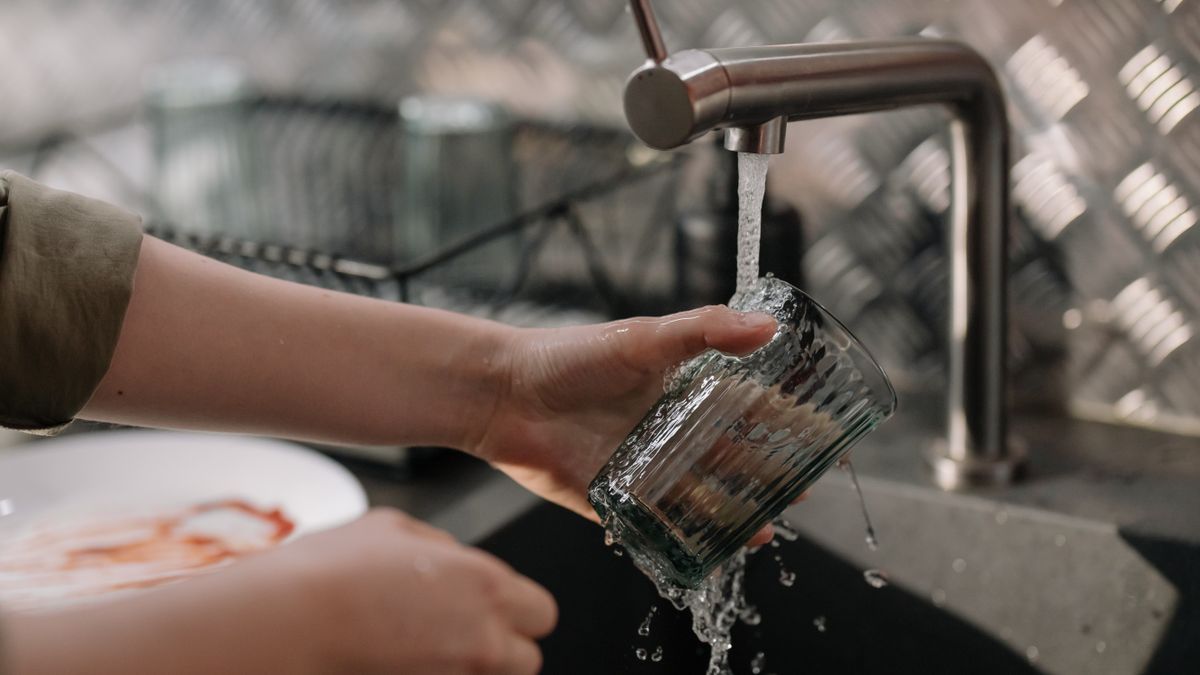
Photo: cottonbro studio / Pexels
Here’s a stat that stopped me for a second when I first read it. Over 62 million Americans, roughly one in five people, may have nitrates in tap water at levels high enough to worry health researchers. Not lead, not PFAS. Nitrates. The stuff you’ve probably never thought about once in your life.
Quick Answer
Nitrates in tap water come mostly from agricultural fertilizer runoff that seeps into groundwater and rivers, then travels into public water systems, sometimes from farms hundreds of miles away. A 2026 report from the Environmental Working Group found more than 6,000 community water systems, serving over 62 million people, tested at or above 3 milligrams per liter, a level researchers have linked to elevated cancer risk. The safest fix at home is a reverse osmosis filter at the kitchen tap, since nitrate is invisible, tasteless, and odorless, and boiling water actually concentrates it rather than removing it.
Key Takeaways
- ✓More than 62 million Americans are served by water systems that tested at or above 3 mg/L of nitrates, according to a 2026 EWG report.
- ✓Nitrates are invisible, tasteless, and odorless, so you cannot tell if your water has them just by looking or tasting it.
- ✓Major cities including Los Angeles, Phoenix, Philadelphia, and Las Vegas have all recorded elevated nitrate readings, not just rural farm towns.
- ✓Studies have linked elevated nitrate exposure to thyroid disease, colorectal cancer, and complications in pregnancy.
- ✓The current federal limit of 10 mg/L hasn’t been reassessed in nearly 60 years, even though newer research points to harm at much lower levels.
- ✓Private well water isn’t covered by EPA regulation at all, so well owners carry the full responsibility for testing.
- ✓A reverse osmosis system is one of the few home filtration methods proven to reduce nitrate levels effectively.
1. Nitrates in Tap Water Are Now Reaching a Fifth of the Country
Let’s start with the number that’s driving this whole conversation. A first-of-its-kind report released by the Environmental Working Group mapped nitrate test results from more than 6,000 community water systems across the country, and found that systems serving over 62 million people tested at or above 3 milligrams per liter. That’s not a fringe issue tucked away in a few farm counties. It’s roughly one in five Americans, and the map is searchable by zip code, which is honestly the first time anyone’s made this information that easy to find.
More than 3,200 of those systems tested at or above 5 mg/L, a threshold researchers have connected to colorectal and ovarian cancer risk in multiple studies. The federal legal limit is 10 mg/L, so a lot of this contamination is technically “in compliance” while still sitting at levels scientists are increasingly uneasy about.
62M+
Americans served by water systems at or above 3 mg/L nitrates
6,000+
Community water systems flagged in the 2026 EWG report
60 yrs
Since the federal nitrate limit was last reassessed
2. It’s Coming From Farms, Sometimes Hundreds of Miles Upstream
Nitrate itself isn’t some exotic industrial chemical. It’s a compound of nitrogen and oxygen that occurs naturally in soil, air, and plants. The problem starts when rain washes nitrogen-heavy fertilizer off farm fields and into streams, rivers, and groundwater, and that water eventually flows downstream into the reservoirs cities pull their drinking water from.
Anne Schechinger, an author of the EWG report, put it simply: your water may come from a reservoir outside your city, but the stream or river feeding that reservoir often runs through farmland miles and miles upstream. That’s part of why nitrates in tap water show up in big cities too, not just small towns next to cornfields. Los Angeles, Phoenix, Philadelphia, Las Vegas, San Jose, and Columbus have all recorded readings at or above 3 mg/L.

Photo: Mirko Fabian / Pexels
3. You Can’t See, Smell, or Taste It
This is what makes nitrates in tap water different from something like cloudy water or a chlorine smell. There’s no warning sign. Nitrate doesn’t discolor water, doesn’t add an odor, and doesn’t change how it tastes even at levels well above what’s considered safe. The only way to know what’s in your water is to actually test it or check your utility’s annual water quality report, called a Consumer Confidence Report, which most systems are required to publish once a year.
If you’re on a private well, none of that reporting applies to you. Well water isn’t regulated by the EPA at all, so testing is entirely on the homeowner. Given how invisible nitrate contamination is, that’s a gap worth taking seriously if your water comes from a well.
4. The Health Risks Go Beyond “Blue Baby Syndrome”
Most people who’ve heard of nitrate contamination know it in connection with methemoglobinemia, sometimes called blue baby syndrome, a rare but serious condition where nitrate interferes with an infant’s ability to carry oxygen in the blood. That’s real, and it’s still the reason the current federal limit exists at all.
But newer research has looked well beyond infants. Studies cited in the EWG report have linked lower-level, long-term nitrate exposure to thyroid disease, and to gastric, kidney, bladder, and colon cancers. One study of postmenopausal women in Iowa found ovarian cancer risk was roughly twice as high among those drinking water with nitrate levels above 2.98 mg/L compared to those under 0.47 mg/L. Other research has connected nitrate exposure during pregnancy to preterm births and birth defects. None of this means everyone drinking water with nitrates will develop these conditions, but it’s exactly why researchers are pushing for the federal standard to be reevaluated.
5. The Federal Limit Hasn’t Changed Since 1951
Here’s the part that surprised me most while researching this. The 10 mg/L nitrate limit under the Safe Drinking Water Act traces back to a 1951 report connecting nitrate to blue baby syndrome. That’s the science it’s still based on, more than seven decades later, even though the body of research on chronic, lower-dose nitrate exposure has grown enormously since then.
Public water systems that exceed 10 mg/L are legally required to treat their water, but the cost of those upgrades usually lands on residents through their water bills. And because the current legal limit sits well above the 3 to 5 mg/L range where researchers are seeing elevated cancer associations, a system can be fully “in compliance” while still delivering water some scientists consider a long-term risk.
6. Cities Aren’t Immune, and Neither Is Texas
If you’re picturing this as a rural Iowa problem, it’s worth widening that picture. The report found major metro water systems, including some serving millions of people, testing at or above the 3 mg/L threshold repeatedly. Texas isn’t exempt either. Between agricultural regions in the Panhandle and Central Texas and fast-growing metro areas pulling from shared groundwater and surface sources, nitrate is one more contaminant worth checking alongside the hardness and PFAS issues that already show up across Texas tap water by city.
The takeaway isn’t that your specific address is contaminated. It’s that “my water comes from a big city, not a farm” isn’t actually a reason to skip checking your local water quality report.
7. Boiling Doesn’t Help, But Filtration Does
This one trips people up because boiling water is the go-to fix for so many other water safety concerns. With nitrates, boiling actually makes things worse. Since nitrate doesn’t evaporate, boiling water reduces the total volume while the nitrate stays behind, which concentrates it rather than removing it.
What actually works is reverse osmosis filtration, which is specifically effective at removing nitrate along with a long list of other dissolved contaminants like PFAS and heavy metals. If nitrate testing in your area comes back elevated, an under-sink RO system at your kitchen tap is the most reliable fix a homeowner can put in place without waiting on utility-level upgrades. We’ve broken down exactly how these systems work and what to look for in our guide to reverse osmosis water filter benefits.
Nitrates Won’t Show Up Until You Test For Them
AquaJoud’s reverse osmosis systems are built to reduce nitrates along with PFAS, lead, and other contaminants your utility’s minimum standard may still let through.
Frequently Asked Questions
How do I know if my water has high nitrate levels?
Check your water utility’s annual Consumer Confidence Report, or use a home nitrate test kit if you’re on a private well. You can also search EWG’s nitrate map by zip code for a quick starting point, though it’s not a substitute for testing your own tap.
Is nitrate in tap water dangerous for adults?
At low levels, the immediate risk is smaller for healthy adults than for infants, but long-term exposure to elevated nitrate has been linked in studies to thyroid disease and several cancers. Pregnant women are also a higher-risk group.
Does boiling water remove nitrates?
No. Boiling reduces the water’s volume through evaporation but leaves nitrate behind, which actually raises its concentration rather than lowering it.
What filter removes nitrates from tap water?
Reverse osmosis is the most reliable home filtration method for reducing nitrate levels. Ion exchange systems can also help, but RO is generally considered the more consistent option for households.
Are private wells more at risk for nitrate contamination?
Yes. Private wells aren’t regulated by the EPA, so there’s no requirement for regular nitrate testing or treatment. Well owners in agricultural areas should test at least once a year.
The Bottom Line
Nitrates in tap water aren’t a new contaminant, but 2026’s EWG report is the clearest picture yet of just how widespread the problem has become, touching more than 62 million Americans across cities and farm towns alike. Because nitrate can’t be seen, smelled, or tasted, the only real defense is knowing what’s actually in your water and filtering accordingly. Check your local water quality report, and if nitrate levels come back elevated, reverse osmosis filtration remains the most dependable way to bring that number down at your own tap.
For more on what else might be lurking in your water beyond nitrates, take a look at our breakdown of unregulated contaminants in drinking water and the EPA’s 2026 watch list of emerging chemicals.
Source: EPA, Basic Information About Nitrate in Drinking Water