
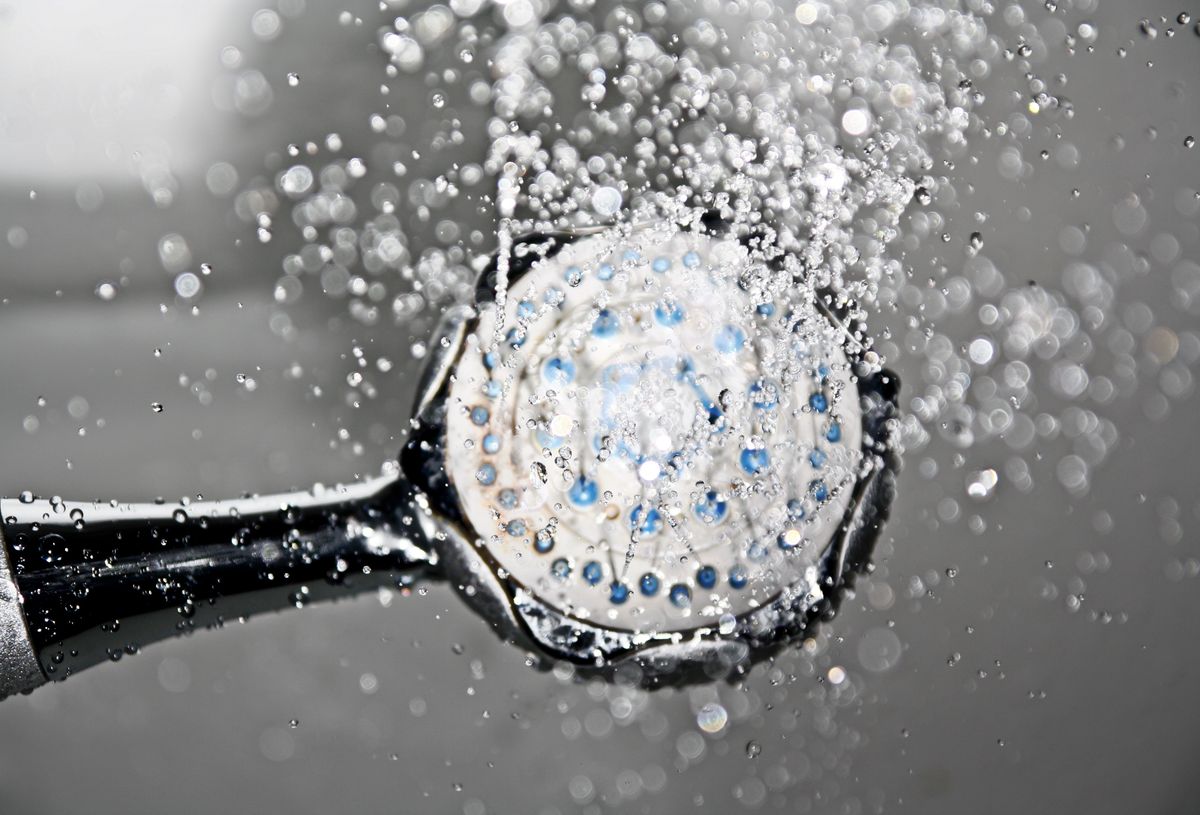
Filtered Water for Showering: What It Does to Your Skin and Hair
Think about how long you spend in the shower every day. Five minutes, maybe ten or fifteen. Now think about what is actually in that water touching your skin and running through your hair the whole time. Most people never stop to wonder, and honestly, that is understandable.
But filtered water for showering is one of those changes that sounds small and turns out to make a real difference. Chlorine, hard water minerals, and trace heavy metals are in most tap water, and they are doing a number on your skin and hair every single morning. This guide breaks down filtered water for showering in plain terms so you know exactly what is going on and what you can do about it.
Quick Answer
Yes, filtered water is much better for showering than regular tap water. Tap water contains chlorine, chloramines, heavy metals, and hard minerals that quietly damage your skin barrier and your hair with every shower. Switching to filtered shower water leads to softer skin, shinier hair, less scalp irritation, and fewer flare-ups if you have sensitive skin or eczema. Most people start noticing a difference within two to four weeks.
Key Takeaways
- Chlorine in tap water breaks down your skin’s outer protective layer, which leads to dryness, redness, and irritation over time.
- Hard water minerals like calcium and magnesium coat your hair strands and stop moisture from getting in, which is why hair feels rough and looks dull.
- Hot showers turn chlorine into a gas. You breathe it in with the steam, which is not great for your lungs, especially if you have asthma or allergies.
- Filtered shower water keeps your skin’s natural oils intact, calms scalp issues, and helps your hair color last longer between salon visits.
- Shower filters are cheap, easy to screw on yourself, and only need a new cartridge every three to six months.
What Is Actually Coming Out of Your Showerhead
Your water utility adds chlorine to kill bacteria before the water reaches your home. That part makes sense and keeps water safe to drink. The problem is that chlorine does not stop doing its job once it gets to your shower. It keeps reacting with everything it touches, including your skin and hair, for the entire time you are standing under it.
On top of chlorine, a lot of homes in Texas and across the Southwest deal with hard water. Hard water has high levels of dissolved calcium and magnesium. Every time that water hits your skin and hair, those minerals leave behind a thin coating. You might notice your hair feels kind of waxy right out of the shower, or your skin feels tight and dry no matter how much lotion you use. That is the mineral buildup at work.
Older homes can also have lead or copper in the water from aging pipes. And when the water heats up in your shower, it releases volatile organic compounds (VOCs) into the air as steam.
The U.S. Environmental Protection Agency sets national drinking water standards for these contaminants, but those limits are written for water you drink, not water you stand under for fifteen minutes. So a regular shower involves more chemical exposure than most people realize. This is exactly why filtered water for showering has become such a popular upgrade.
% of US municipal water systems use chlorine as a disinfectant
% of US households have some level of hard water
min average daily shower exposing your body to tap water chemicals
What Unfiltered Shower Water Does to Your Skin
Your skin has an outer protective layer called the stratum corneum. Think of it like a shield that holds moisture in and keeps irritants out. Chlorine eats into that shield. It breaks down the lipids and proteins that hold it together, which leaves your skin more open to dryness, redness, and irritation. This is not just surface level dryness either. The barrier itself gets weaker over time with repeated exposure.
If you have eczema, psoriasis, or skin that breaks out easily, unfiltered shower water can make things noticeably worse. Research published in the Journal of Allergy and Clinical Immunology found that hard water minerals aggravate atopic dermatitis. Chlorine also reacts with your sweat and dead skin cells to form chloramines, which trigger inflammation and oxidative stress in the skin. That is basically your skin getting attacked on two fronts every single shower.
When you switch to filtered water for showering, your skin gets to keep its natural oils. A lot of people find they need less lotion or lighter moisturizers after making the switch, not because they changed their skincare routine, but because their shower stopped stripping everything away. For people with sensitive skin this is a really meaningful difference because every ingredient in a moisturizer is one more potential irritant.
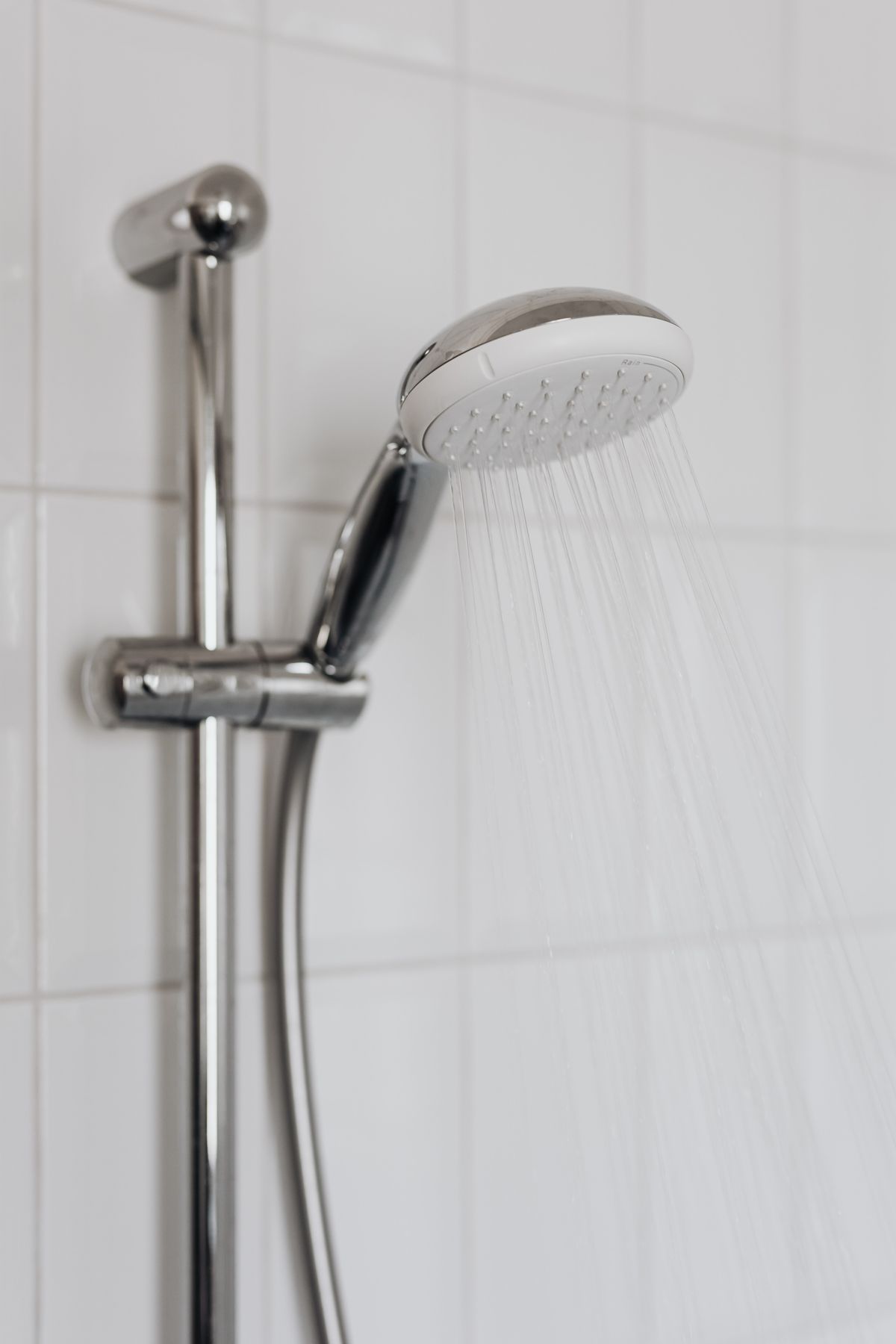
What Filtered Shower Water Does for Your Hair
Your hair has a protective outer layer called the cuticle, which is basically a stack of tiny overlapping scales. When those scales lie flat, your hair looks shiny and holds moisture well. Chlorine lifts and separates those scales, making your hair porous. Porous hair absorbs water fast and loses it just as fast, which gives you frizz, dullness, and eventually breakage.
Hard water makes this worse by leaving a film of calcium and magnesium on every strand. That coating blocks conditioner from doing its job, makes your hair feel coated or rough even after washing, and can clog your follicles over time. Clogged follicles lead to scalp irritation, flaking, and slower hair growth.
With filtered water, that mineral deposit stops building up. Your hair cuticle can lay flat again. Moisture stays in. Your scalp’s own natural oil is not being washed away every morning. A lot of people notice the difference in their hair faster than in their skin, sometimes within the first couple of showers, because the problem was literally sitting on the outside of each strand.
One more thing worth knowing if you color your hair: chlorine fades color. Whether you go to a salon or dye at home, filtering your shower water will help your color stay true longer between treatments. That saves you money and cuts down how often you are exposed to hair dye chemicals.
Hair Benefits
- Softer and smoother strands with less frizz
- Noticeably more shine
- Conditioner actually penetrates and works
- Less breakage and fewer split ends
- Hair color stays vibrant longer
- Reduced scalp flaking and dandruff
Skin Benefits
- Stronger and more resilient skin barrier
- Less dryness, redness, and that tight feeling after a shower
- Fewer flare-ups for eczema and psoriasis
- Calmer skin if you are acne-prone
- Less need for thick moisturizers
- Skin stays hydrated throughout the day
Filtered Water for Showering and the Air You Breathe
Here is something that almost never comes up in conversations about shower water. Hot water turns chlorine into a gas. In a small enclosed shower, you breathe that gas in with every breath you take for the entire duration of your shower. For people with asthma or seasonal allergies, this can trigger or worsen symptoms. For everyone else, it is just an unnecessary daily exposure to airborne chemicals.
Your body actually absorbs chlorine through three routes during a shower: skin contact, steam inhalation, and some potential dermal absorption of dissolved compounds. Filtered water for showering cuts off all three at once. It is one of those rare upgrades where the health benefits stack up across multiple systems in your body at the same time.
How to Pick a Good Shower Filter
The filtration media inside the filter is what actually matters. Here is a quick breakdown of what works and what it targets:
- Activated Carbon: The best option for chlorine and VOC removal. Porous carbon physically traps chlorine before it reaches your skin.
- KDF Media: A copper and zinc alloy that chemically neutralizes chlorine and stops bacteria from growing inside the filter.
- Vitamin C (Ascorbic Acid): Converts chlorine and chloramines into harmless compounds instantly. Especially useful in areas where water is treated with both.
- Ceramic Beads: Help soften water and take out some heavy metals and bacteria.
Multi-stage filters that combine two or more of these are your best bet. Whatever you pick, look for third-party lab testing rather than just marketing claims. NSF International certification is a reliable sign that the filter actually does what it says.
Plan to swap the cartridge every three to six months. If you are in a hard water area like most of Texas, lean toward the three-month side. A clogged filter will also slow down your water pressure, so that is a helpful sign it is time for a change.
Give Your Family Cleaner Water from Every Tap
A shower filter is a great start, but if your whole home runs on hard or chlorinated water, the AquaJoud Whole-Home System covers every faucet, shower, and appliance at once. Or go with the AquaSlim Under-Sink Filter for clean drinking and cooking water alongside your shower setup. Either way, cleaner water makes a real difference you will feel every day.
Frequently Asked Questions
Is filtered water for showering actually worth it or is it just a trend?
It is worth it, and the science backs it up. Chlorine and hard water minerals have been shown in clinical research to damage the skin barrier and make inflammatory skin conditions like eczema worse. A study in the Journal of Allergy and Clinical Immunology confirmed that hard water aggravates atopic dermatitis. People who switch to filtered shower water consistently report softer skin, calmer irritation, and better hair texture within a few weeks. The benefits are measurable, not just anecdotal.
How long before I notice a difference from filtered shower water?
Hair changes tend to show up faster, sometimes within a few showers, because the mineral coating that was building up on your strands stops being added. Skin takes a bit longer since it renews on a monthly cycle, but most people see real improvement within two to four weeks. If you have eczema or sensitive skin, you may notice less redness and irritation even sooner than that.
Can filtered shower water help with dandruff?
Yes, for a lot of people it helps significantly. Dandruff is often made worse by scalp dryness and irritation from chlorine and mineral deposits in hard water. When you remove those irritants with a shower filter, your scalp can get its natural oil balance back, which reduces the flaking and itching. It is not a cure for every case of dandruff, but it removes one of the most common triggers.
Does a shower filter affect water pressure?
A good shower filter should not reduce your water pressure at all. Many people actually notice better pressure after installing one compared to an older showerhead. If your pressure drops, that usually means the filter cartridge is getting clogged and needs to be replaced. Most filters need a new cartridge every three to six months to keep both water quality and flow rate where they should be.
Can a shower filter help if I have eczema or sensitive skin?
Definitely. People with eczema, psoriasis, or sensitive skin often see some of the biggest improvements from filtered shower water. Chlorine weakens the skin barrier that eczema already compromises, so removing it from your daily shower reduces that daily stress and gives your skin a better chance to heal. Many dermatologists now recommend shower filtration as part of a broader skin management plan alongside topical treatments.
Is a whole-home water filter better than just a shower filter?
A whole-home filtration system is the most complete solution because it cleans the water coming into every tap, shower, dishwasher, and washing machine in your house. If budget is a factor, a dedicated shower filter is a solid place to start since the shower is where your skin and hair get the most exposure. But if you want your family to have filtered water for drinking, cooking, and bathing all from one system, a whole-home setup like the AquaJoud Whole-Home Filter is the better long-term choice.
The Bottom Line
Filtered water for showering is a simple, affordable change that pays off fast. Chlorine, hard water minerals, and heavy metals in regular tap water quietly damage your skin barrier, rough up your hair cuticle, and even affect what you breathe in during a hot shower.
Filtering that water out before it hits your body lets your skin stay hydrated, your hair keep its shine, and your scalp find its natural balance. Whether you start with a basic shower filter or go with an AquaJoud whole-home system, the benefits of filtered water for showering are real and noticeable. Your skin and hair meet that shower water every single day, so it makes sense to make sure it is working in your favor.
Curious about what is specifically in your home’s water? Check out our guide on how to test your tap water at home. Or if you want to go deeper on the drinking side of things, read about the health benefits of drinking filtered water every day. And when you are ready to make a move, browse AquaJoud filters to find the right fit for your home and family.