
Water Quality & Technology
AI Data Centers and Your Water Supply: 7 Surprising Risks Homeowners Should Know
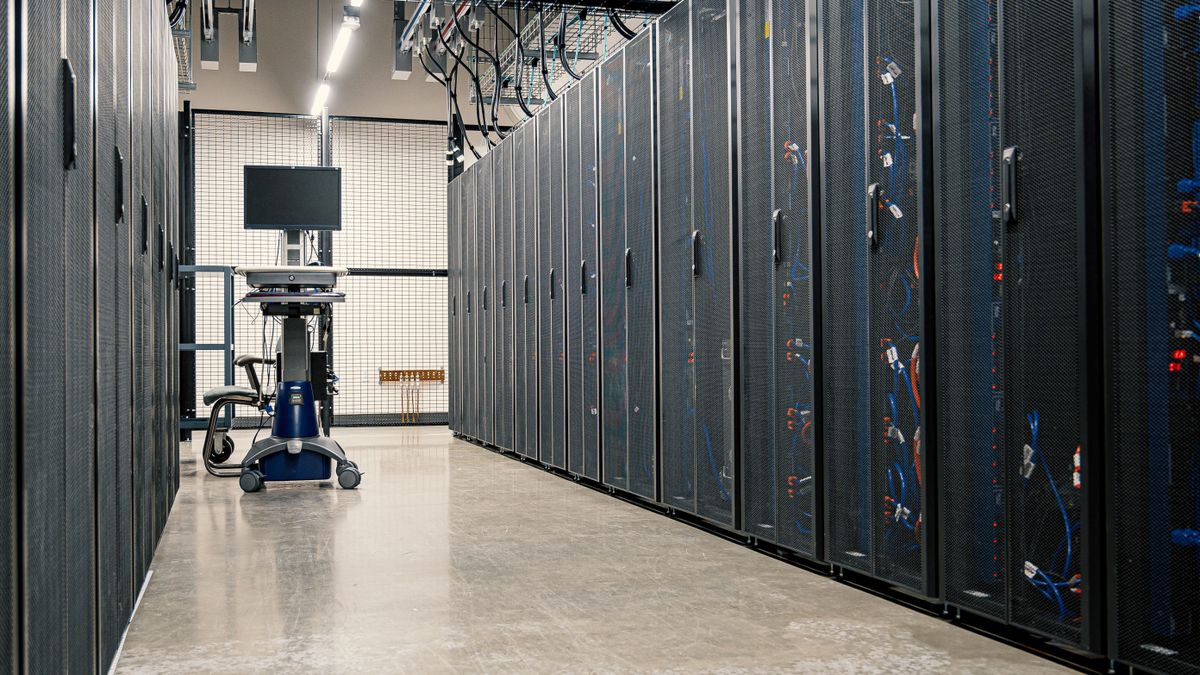
Photo: Brett Sayles / Pexels
A few years ago, most homeowners had never given a second thought to what happens inside a data center. Now, thanks to a wave of new AI infrastructure going up across the country, that’s changing fast. AI data centers and your water supply are becoming linked in ways a lot of people don’t realize yet, and the story out of Cheyenne, Wyoming this month is a good example of why it matters.
Quick Answer
AI data centers and your water supply are connected because these facilities use enormous volumes of water for cooling, and some of that water picks up chemicals, bacteria, or heat before it’s discharged back into local systems. In Cheyenne, Wyoming, a Meta data center contractor was traced as the source of a rare bacterium found in the city’s reuse water system. While most data center contamination doesn’t reach drinking water directly, homeowners near these facilities are right to ask questions, and a home filtration system remains one of the most reliable ways to protect what comes out of your own tap.
Key Takeaways
- ✓A Meta contractor was named as the source of bacterial contamination in Cheyenne’s reuse water system this July.
- ✓Data centers can use PFAS-based coolants, and PFAS chemicals don’t break down once they’re in the environment.
- ✓An Amazon data center in Oregon settled a lawsuit after nitrate-heavy wastewater contaminated nearby wells.
- ✓There’s currently no single federal rule requiring data centers to test discharge water for PFAS.
- ✓A home filtration system is still the most direct way to control what’s actually in the water your family drinks.
What Actually Happened in Cheyenne
Here’s the short version. Cheyenne’s Board of Public Utilities found a rare bacterium called Cupriavidus gilardii in its wastewater treatment system back in February. It took months of testing to trace the source, and in July, officials confirmed it came from Goat Systems, a contractor working on Meta’s $800 million data center campus. The city pulled the contractor’s discharge privileges and had to take its entire reuse water system offline for cleanup.
To be fair, officials say the bacteria didn’t get into Cheyenne’s actual drinking water. It showed up in the reclaimed water used for irrigation. But residents weren’t told about the contamination until the end of June, months after it was first discovered, and Meta wasn’t publicly identified as the source until July. That gap between discovery and disclosure is exactly what’s making people uneasy, and honestly, it’s a fair thing to be uneasy about.

Why Data Centers Need So Much Water in the First Place
Servers generate a lot of heat, and keeping them from overheating takes a serious amount of water. Most large facilities lean on evaporative cooling because it’s the most energy efficient option, especially in warmer climates. The problem is that this method pulls water directly from a municipal supply, and it doesn’t come back the same way it went in.
There are roughly 5,300 data centers operating in the United States right now, running around the clock, every day of the year. One single AI query is estimated to use about 16 ounces of fresh water once you account for the cooling it takes to process it. Multiply that by the millions of queries submitted daily and you start to see the scale of what we’re talking about.
Stat to know
Texas alone has more than 248 new data center projects proposed or under construction, more than almost any other state in the country.
Where PFAS Fits Into the Picture
This is the part that concerns environmental scientists most. Some data centers use two-phase immersion cooling, where servers sit submerged in a chemical fluid that carries heat away. A lot of those fluids are PFAS based, the same “forever chemicals” linked to cancer, immune dysfunction, and reproductive harm. The EPA determined back in 2024 that there’s no safe level of exposure to certain PFAS compounds.
Chemours, one of the largest PFAS manufacturers in the world and a major supplier for data center coolants, already paid a $450 million settlement over PFAS contamination in the Cape Fear, Delaware, and Ohio rivers. And the company has said it plans to expand PFAS production specifically to keep up with data center growth. According to the Environmental and Energy Study Institute, airborne PFAS emissions from Chemours operations in North Carolina alone have already contaminated more than 7,000 drinking water wells.
There’s currently no single federal law requiring PFAS testing for data center discharge water. Virginia doesn’t require it. Neither does the EPA, at least not yet. That leaves a real gap between how fast these facilities are being built and how much anyone actually knows about what’s coming out of them.
It’s Not Just Wyoming
Cheyenne isn’t an isolated case. In Oregon, an Amazon data center agreed to a $20.5 million class action settlement after its server cooling process concentrated nitrate-heavy wastewater that was then applied to nearby farm fields. That wastewater seeped into groundwater and contaminated wells used by local families, and residents reported health issues including miscarriages, kidney problems, and cancer diagnoses.
In Virginia, residents near a proposed Amazon facility are pushing for PFAS testing on discharge water before permits get approved, something the state doesn’t currently mandate. Community members told the Virginia Mercury that the lack of required testing leaves a genuine information gap about what’s actually flowing into local creeks and rivers.
AI Data Centers and Your Water Supply: Should You Actually Be Worried?
Here’s the honest answer. If you live near a data center, especially one using immersion cooling or discharging directly into local waterways, it’s worth paying attention. If you don’t live near one, the direct risk to your own tap is lower, but PFAS contamination doesn’t stay put. It moves through groundwater, rivers, and soil, and it accumulates over time in the human body rather than breaking down.
That’s really the bigger issue with AI data centers and your water supply. It’s not that every home near a data center is in danger today. It’s that the regulatory system hasn’t caught up with how fast this industry is growing, and homeowners are often the last to find out when something goes wrong. Cheyenne residents didn’t know about their contamination for months.

What You Can Actually Do About It
You can’t control what a data center discharges upstream, but you can control what happens at your own kitchen sink. A few practical steps worth taking:
Check the Environmental Working Group’s tap water database to see what’s already been detected in your local supply. If your water comes from a well, get it tested by an EPA certified lab, especially for PFAS, nitrates, and heavy metals. And if you want ongoing protection rather than a one time check, a home filtration system built to reduce PFAS and other emerging contaminants gives you daily peace of mind that doesn’t depend on waiting for a city notice.
Not every filter handles PFAS the same way. Look for systems that are NSF certified for PFAS reduction, since standard carbon filtration alone isn’t always enough. This is exactly why AquaJoud’s multi-stage systems are built the way they are, to give you real protection at the point where water actually enters your home, not just a false sense of security.
Control What’s Actually in Your Water
You can’t stop what happens upstream, but you can filter what reaches your glass. AquaJoud’s multi-stage filtration systems are built to reduce PFAS, heavy metals, and other emerging contaminants right at the source.
Frequently Asked Questions
Do AI data centers contaminate drinking water directly?
Usually not directly, since most data center cooling systems run in closed loops. But contamination can happen through discharge water, wastewater treatment overflow, or PFAS leaking into groundwater near manufacturing and cooling facilities, as seen in Cheyenne and Oregon.
What is PFAS and why is it linked to data centers?
PFAS are synthetic “forever chemicals” used in some data center cooling fluids and semiconductor manufacturing because they resist heat and water. They don’t break down naturally and have been linked to cancer, immune dysfunction, and reproductive harm.
Can a home water filter remove PFAS?
Yes, but not every filter is built to. Look for systems that are NSF certified specifically for PFAS reduction. Multi-stage filtration and reverse osmosis systems tend to perform better against PFAS than a basic carbon pitcher filter.
How do I know if a data center is near my water source?
The Environmental Working Group maintains an interactive data center map along with a tap water quality database where you can search by zip code to see what’s been detected in your local supply.
The Bottom Line
AI data centers and your water supply are more connected than most people realized a year ago. The Cheyenne case shows how contamination can happen quietly, sit unreported for months, and still get traced back to a single facility. Regulation is playing catch up, and until it does, the most reliable thing you can control is what’s actually filtered at your own tap. A solid home filtration system won’t stop a data center from discharging wastewater upstream, but it will stop whatever ends up in your local supply from reaching your family’s glass.
Related reading: What’s Really in US Tap Water? · AquaJoud vs Reverse Osmosis · How Do I Know If I Need a Water Filter?