 Skip to content
Across many households, complaints about odor in drinking water continue to surface. Homeowners often search the same question, why does my water smell bad, after noticing an unusual scent coming from the tap.
A bad smell in tap water does not automatically signal a health risk. In many cases, it reflects changes in minerals, disinfectants, or plumbing conditions. Still, when tap water smells bad, it raises concerns about tap water quality and possible water contaminants.
Experts say identifying the source of the smell is the first step before considering home water filtration or installing an under sink water filter.
Common Causes of Smell in Tap Water

Water odor causes vary depending on geography, infrastructure, and seasonal conditions. The type of smell often provides a clue.
Rotten Egg Smell Water
One of the most reported issues is a sulfur smell in water, often described as rotten egg smell water. This odor is typically linked to hydrogen sulfide gas.
Hydrogen sulfide can form naturally in groundwater. It may also result from reactions inside water heaters or from sulfur bacteria in plumbing systems.
Although unpleasant, low levels are not usually considered dangerous. However, the odor can significantly affect perceived tap water quality.
Chlorine Smell in Tap Water
Another common complaint is chlorine smell in tap water. Municipal water treatment facilities add chlorine to eliminate harmful microorganisms.
A noticeable bleach like scent often indicates active disinfection. While chlorine levels are regulated under drinking water standards, some residents find the smell strong enough to affect taste.
When water smells bad due to chlorine, it typically reflects treatment practices rather than contamination.
Musty or Earthy Odors
Seasonal changes can also influence odor. Organic matter or algae compounds in source water sometimes produce a musty scent.
These shifts are often temporary and linked to changes in municipal water treatment processes during warmer months.
Metallic or Chemical Smells
If tap water smells bad with a metallic edge, aging pipes may be the cause. Corrosion can introduce iron or manganese into the water supply.
A sharp chemical odor may warrant further testing, especially if accompanied by discoloration. Reviewing local tap water quality reports can provide context about regulated water contaminants in your area.
Is Bad Smelling Water Dangerous?

Public health officials note that odor alone does not confirm unsafe drinking water.
Municipal water treatment systems operate under strict guidelines. Many smells result from disinfectants or naturally occurring minerals rather than harmful substances.
However, sudden or persistent changes should not be ignored. Testing remains the most reliable way to evaluate tap water quality.
Can an Under Sink Water Filter Address the Smell?
An under sink water filter may help in certain situations. Carbon based filtration is commonly used to reduce chlorine smell in tap water and some organic compounds that contribute to odor.
A 5 stage water filter typically combines sediment and carbon filtration to improve filtered tap water clarity and taste. Effectiveness depends on the source of the smell.
Sulfur smell in water may require specialized filtration beyond standard carbon systems.
How Does the AquaSlim 5 Stage Water Filter Fit In?
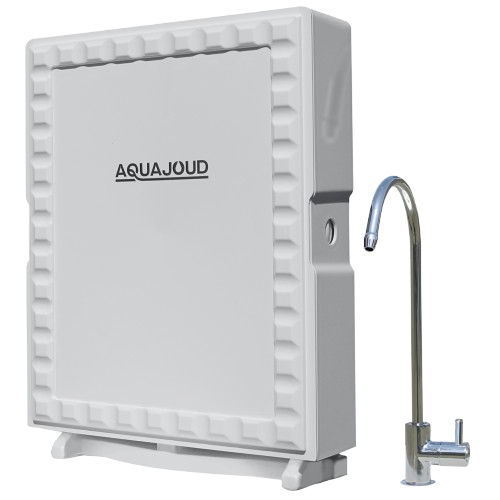
The AquaSlim 5 stage water filter is a multi stage under sink water filter designed to reduce sediment and chlorine while improving overall water taste.
Carbon filtration within such systems is commonly used to address chlorine related odors and certain organic compounds. However, it does not specifically remove hydrogen sulfide gas unless additional filtration components are added.
As with any water filtration system, performance depends on the underlying cause of the bad smell in tap water. Water testing provides clearer answers than assumptions.
When Should You Take Action?

Water experts recommend further evaluation if:
The rotten egg smell water issue continues over time
Multiple fixtures are affected
The odor appears suddenly
There are visible color changes
In these cases, laboratory testing can identify whether water contaminants are present or if plumbing conditions are responsible.
Sources :
https://www.epa.gov/ground-water-and-drinking-water
https://www.cdc.gov/healthywater/drinking/index.html
https://www.who.int/teams/environment-climate-change-and-health/water-sanitation-and-health