 Skip to content
Many households rely on bottled water for daily drinking, while others use fridge filters or basic tap filtration. With growing concerns around contaminants and water quality, questions about bottled water safety and filtered tap water continue to increase.
This article compares bottled water and filtered tap water using an under sink water filter in a neutral, factual way, without promoting one option as universally better.
How Bottled Water Is Regulated and Treated
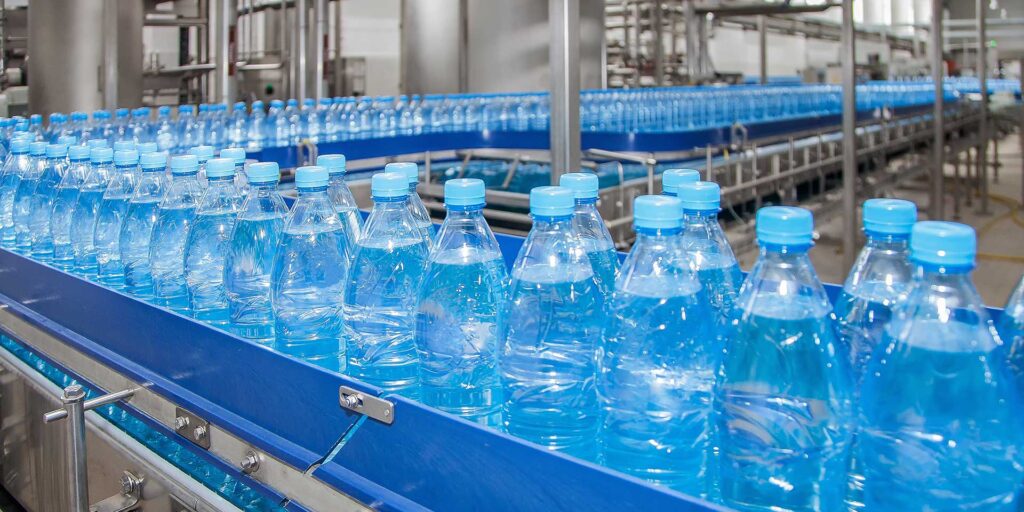
Bottled water is sourced from springs, groundwater, or municipal tap water. In the United States, it is regulated by the Food and Drug Administration (FDA) as a packaged food product.
Important considerations related to bottled water safety include:
- Some bottled water originates from municipal water supplies
- Treatment methods vary by brand and source
- Plastic packaging may contribute trace microplastics
- Storage and transport conditions can affect water quality
Research published by organizations such as the World Health Organization and the National Institutes of Health has identified microplastics in bottled water, though the long-term health impact is still being studied.
How Filtered Tap Water Works
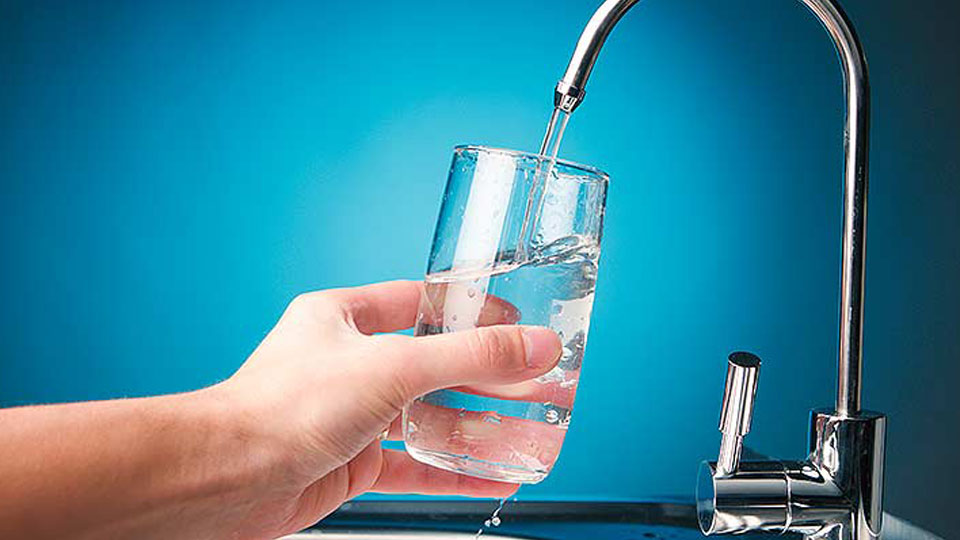
Tap water supplied to homes is regulated by the Environmental Protection Agency (EPA) and is treated to remove harmful bacteria and pathogens before distribution.
A water filtration system installed at home, such as an under sink water filter, provides additional filtration at the point of use. A typical 5-stage water filter may include:
- Sediment filtration to reduce rust and particles
- Activated carbon filtration to reduce chlorine and odor
- Additional filtration stages designed to reduce certain chemicals or particles
- Optional mineral stages that affect taste
The effectiveness of filtered tap water depends on system design, maintenance, and local water quality.
Bottled Water vs Filtered Tap Water: Key Differences
When comparing bottled water vs filtered tap water, several factors are relevant.
Contaminants
- Bottled water may contain trace microplastics from packaging
- Filtered tap water quality depends on the filtration system used and filter replacement schedule
Regulation
- Tap water is monitored continuously by local utilities
- Bottled water facilities are regulated but inspected less frequently
Consistency
- Bottled water quality can vary between brands and batches
- Filtered tap water quality depends on consistent system maintenance
Neither option is completely risk-free, and both rely on proper treatment and handling.
Cost and Environmental Factors
Bottled water involves ongoing costs and plastic waste. Filtered tap water reduces packaging waste but requires filter replacements and installation.
These factors are practical considerations rather than safety guarantees.
When Bottled Water May Be Appropriate
Bottled water may be useful:
- During emergencies or infrastructure failures
- In areas without access to treated tap water
- For short-term or travel use
When an Under Sink Water Filter May Be Appropriate
An under sink water filtration system may be suitable:
- When local tap water taste or odor is undesirable
- When additional filtration is preferred for a specific outlet
- When households want consistent filtered tap water access
Effectiveness depends on system quality and proper maintenance.
Final Perspective on Bottled Water Safety
So, is bottled water safe compared to filtered tap water? Both options are regulated and widely used. Safety depends on source quality, treatment methods, storage conditions, and maintenance.
In many cases, filtered tap water using an under sink water filter can offer comparable safety, while bottled water may be practical in specific situations. There is no universal solution that fits every household.