 Skip to content
Hydration & Wellness
Filtered Water for Hydration: 7 Surprising Lessons From the World Cup’s Water Break Controversy
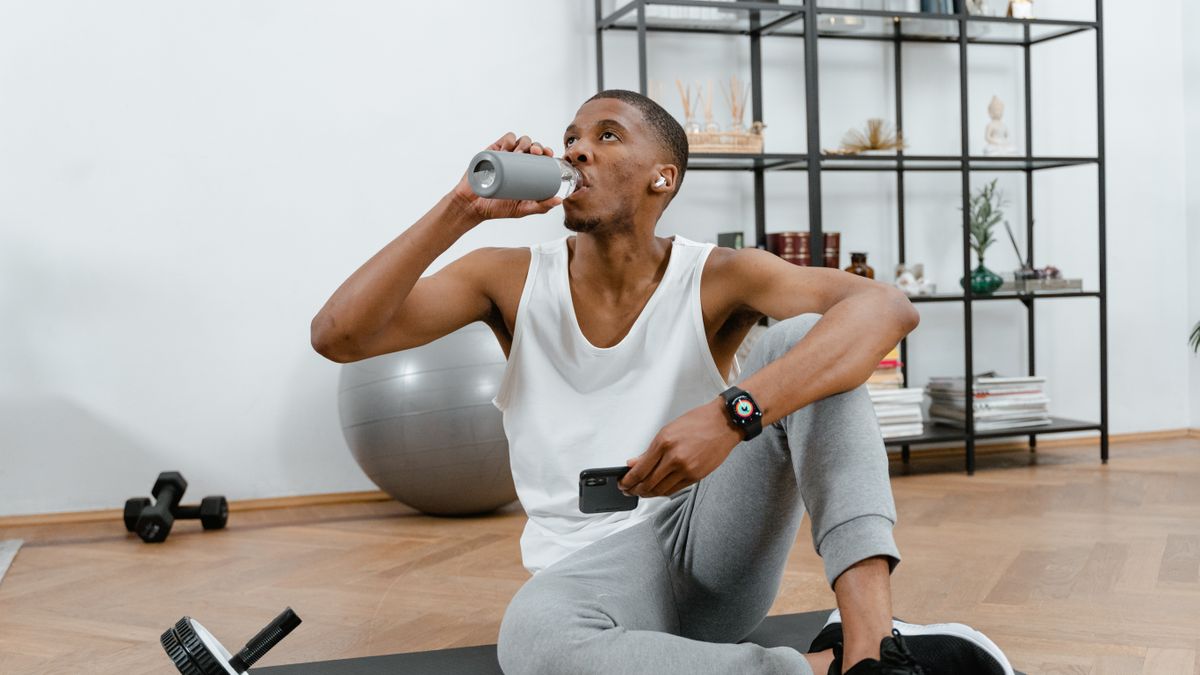
Photo: MART PRODUCTION / Pexels
If you’ve watched even one match of this summer’s World Cup, you’ve seen it: the referee blows the whistle 22 minutes into each half, players jog to the sideline, and for three minutes it’s not about tactics anymore. It’s about water. FIFA made hydration breaks mandatory for every single match this tournament, and honestly, the science behind that decision says more about our own daily habits than most of us realize.
Turns out, the same heat stress that’s forcing world-class athletes to pause mid-game is quietly working on the rest of us too, just slower and less dramatically. Here’s what the World Cup’s hydration break debate can teach you about drinking water the right way, and why filtered water for hydration matters more in the summer than almost any other time of year.
Quick Answer
Filtered water for hydration works better than tap water in the heat because it removes chlorine, sediment, and heavy metals that can make water taste off and discourage people from drinking enough of it. Athletes at the 2026 World Cup are taking mandatory hydration breaks because heat and humidity make players lose 1 to 2 liters of sweat per hour, and doctors say the same fluid loss happens to anyone active outdoors in summer, not just professional players.
Key Takeaways
- •FIFA now requires a three-minute hydration break in every 2026 World Cup match, in every stadium, regardless of weather.
- •Players can lose 1 to 2 liters of sweat an hour in extreme heat, and most people drink less than they lose.
- •Losing just 2% of your body weight in fluid can measurably hurt physical and mental performance.
- •Filtered water for hydration removes the taste and odor issues that make people drink less water overall.
- •Thirst is a late warning sign. Waiting until you feel thirsty means you’re already behind.
Why FIFA Made Water Breaks Mandatory This Year
This is the first World Cup in history where every match, in every stadium, gets a built-in water break. Not just the ones played in Miami or Monterrey where it’s obviously hot. Even matches under a closed roof in Seattle get the same three-minute stop at the 22-minute mark of each half. FIFA said the goal is fairness and player safety, not weather-by-weather judgment calls.
And the concern is real. Researchers have warned that roughly a quarter of this World Cup’s matches could be played in heat that exceeds the safety limits recommended by FIFPRO, the players’ union. Fourteen of the sixteen host stadiums across the U.S., Mexico, and Canada now see more extremely hot days in June and July than they did back in 1970.
Not everyone loves the breaks. Coaches like Uruguay’s Marcelo Bielsa think they interrupt the rhythm of the game, and some fans call them “ad breaks” in disguise. But the medical case behind them hasn’t really been challenged. Doctors on the ground call the hydration pause a genuine health measure, whatever else it might also be.
1-2L
Sweat lost per hour in extreme heat
2%
Body weight loss that impairs performance
3 min
Mandatory break at every World Cup match
You’re Losing Water Faster Than You Think, Too
Here’s the part that actually matters for people who will never step onto a World Cup pitch. Athletes in the heat can sweat 1 to 2 liters an hour, and most people drink less than what they lose. That’s not a soccer-specific problem. That’s a summer-in-Texas problem, a mowing-the-lawn problem, a walking-the-dog-at-noon problem.
Losing as little as 2% of your body weight to dehydration can noticeably hurt physical performance, and research shows it can knock 5 to 10% off how well your body and brain function. That’s headaches, fatigue, trouble concentrating, and mood that tanks for no obvious reason. None of that requires you to be sprinting up and down a field. Sitting in a hot car, working outside, or spending an afternoon at a barbecue can do it.
Doctors keep repeating the same warning every summer: don’t wait until you’re thirsty. Thirst shows up after you’re already behind on fluids, not before. Drinking filtered water for hydration consistently throughout the day, rather than chugging a bottle once you notice your mouth is dry, is the difference between staying ahead of dehydration and constantly playing catch-up.
Photo: Dharmjeet Kumar / Pexels
Why Filtered Water for Hydration Actually Beats Plain Tap Water
Here’s something most hydration advice skips over: it doesn’t matter how good your water is for you if you don’t actually drink enough of it. And a lot of people don’t drink enough tap water simply because of how it tastes or smells. Chlorine, sediment, and mineral buildup can leave a flat or slightly off taste that makes people reach for soda or sports drinks instead, even though those often add sugar and calories they don’t need.
A quality home filtration system knocks out that chlorine taste, along with sediment and trace contaminants, so what comes out of your tap actually tastes clean. That sounds small, but it isn’t. When water tastes better, people drink more of it, and more consistent water intake throughout the day is exactly what keeps you ahead of dehydration instead of chasing it.
This is where AquaJoud comes in. Our filtration systems are built to give your family clean, great-tasting water straight from the tap, no jug refills, no sketchy plastic bottles piling up in the recycling bin. In the middle of a Texas summer, having a filter that makes your kitchen sink the easiest place to grab a cold glass of water changes how much you actually drink without you even thinking about it. If you’re curious how far the benefits go, we’ve also broken down what the research actually shows about filtered water and weight loss.
What Athletes’ Hydration Habits Can Teach the Rest of Us
Sports medicine experts like Douglas Casa, who heads the University of Connecticut’s Korey Stringer Institute, have pointed out that cooling and rehydrating well can lower body temperature by roughly 0.22°F per minute when done right, using cold towels on the neck, head, and arms along with fluids. You don’t need ice towels to apply the same logic at home. A few habits carry over directly:
- •Drink before you’re thirsty, especially if you know you’ll be outside during peak heat hours.
- •Check your urine color as a rough guide. Pale yellow generally means you’re doing fine; dark yellow means drink more.
- •Spread your water intake across the day instead of one big gulp session before or after activity.
- •Watch out for older adults and kids especially. Both groups dehydrate faster and often notice it later.
You’ll also want to keep an eye on early warning signs: dizziness, a headache that seems to come out of nowhere, muscle cramps, or feeling unusually tired for no reason. Those are your body’s version of the referee’s whistle. It’s telling you to take your own hydration break, filtered water in hand, before things get worse. Staying ahead of dehydration also matters for reasons beyond comfort. We’ve covered whether filtered water can help with kidney stones, another everyday reason consistent hydration pays off.
Make Filtered Water Your Family’s Default
AquaJoud filtration systems remove chlorine, sediment, and unwanted contaminants so clean, great-tasting water is always right at your tap, hot Texas summer or not.
Frequently Asked Questions
Why is filtered water for hydration better than plain tap water?
Filtered water removes chlorine, sediment, and trace contaminants that can affect taste and smell. Better-tasting water means people naturally drink more of it, which supports steadier hydration throughout the day.
How much water should I drink during summer heat?
Needs vary by age, activity level, and body size, but a general guide is around 11.5 cups a day for women and 15.5 cups for men, including fluid from food. Active outdoor time in the heat increases that need significantly.
Why did FIFA make hydration breaks mandatory at the 2026 World Cup?
FIFA cited player welfare and fairness across all matches and stadiums, regardless of weather. The decision followed research showing a meaningful share of World Cup matches could be played in heat that exceeds player safety thresholds.
What are the early signs of dehydration?
Dizziness, headache, dark yellow urine, unusual fatigue, and muscle cramps are common early signs. Thirst tends to show up later, after mild dehydration has already started.
Do I need electrolytes, or is filtered water enough?
For most everyday activity, filtered water is enough as long as you’re eating regular meals with some salt. Electrolyte drinks become more useful during prolonged, intense activity in extreme heat when you’re sweating heavily for over an hour.
The Bottom Line
FIFA didn’t add hydration breaks to every 2026 World Cup match for entertainment value. They added them because the science on heat and fluid loss is hard to argue with, and elite athletes are just as vulnerable to it as anyone standing in their backyard in July. The lesson translates directly to daily life: drink before you’re thirsty, keep it consistent, and make it as easy as possible to reach for water instead of something less useful.
Filtered water for hydration isn’t a complicated upgrade. It’s clean, better-tasting water available right at your own tap, which turns out to be one of the simplest ways to actually hit your daily water goals instead of falling short of them. For the bigger picture on why this matters year-round, take a look at why filtered water matters for a healthy life. Learn more about how the CDC recommends staying safe in extreme heat at the CDC’s heat and health resource page.