 Skip to content
Supply Chain & Preparedness
The Diesel Shortage Could Hit Your Bottled Water Supply Next, Here’s the Backup Plan
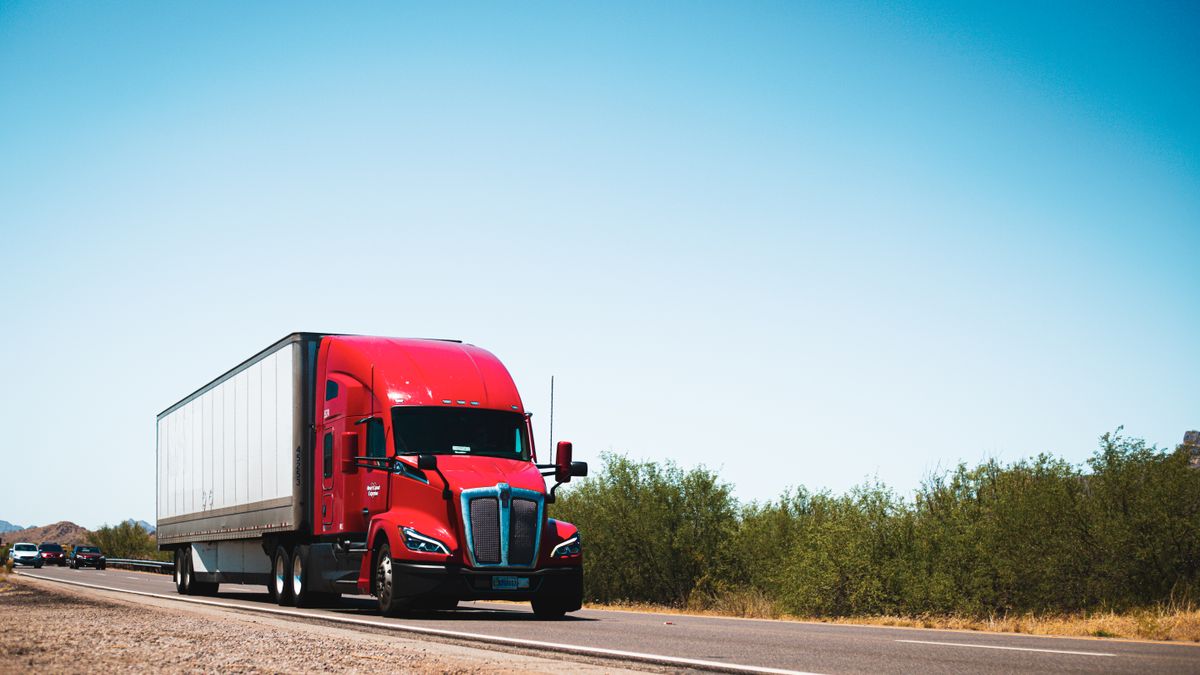
Photo: Tom Jackson / Pexels
Diesel just crossed $6 a gallon nationally for the first time in US history, and stations in Texas, Florida,
and California have reportedly run dry. That’s a trucking story on the surface. Underneath it, it’s also a
grocery store story, because nearly everything on a store shelf, bottled water included, gets there on a
diesel truck. Here’s what’s actually happening, what it means for the water in your cart, and why now is a
reasonable time to stop depending on trucks for something your tap can already handle.
⛽ Quick Answer
The 2026 diesel shortage is real and driven by the war disrupting shipping through the Strait of Hormuz, not
a US production problem alone. It’s not currently causing a nationwide bottled water shortage, but it is
raising freight costs on anything trucked to store shelves, water included, and analysts expect it to persist
through winter. Filtered tap water sidesteps the entire supply chain, which makes it a practical hedge rather
than a panic purchase.
Key Takeaways
- •
The national average diesel price passed $6 a gallon for the first time ever on September 10, 2026, with 28 states setting individual records the same day. - •
The shortage is tied to the war disrupting the Strait of Hormuz, a passage that normally carries about a fifth of global petroleum, not a US refinery failure. - •
US refineries are running at 97.4% of capacity, the highest in nearly eight years, so there’s very little room to make up the difference domestically. - •
Industry data doesn’t currently show a widespread physical shortage, the scattered “out of diesel” reports are real but localized, not a nationwide supply collapse. - •
Higher diesel costs ripple into freight, and freight is how bottled water, along with basically everything else on a store shelf, gets to you.
What’s Actually Causing the Diesel Shortage
This isn’t the familiar story of a hurricane knocking out a Gulf Coast refinery for a few weeks. The current
diesel shortage traces back to the war between the US and Israel and Iran, which has disrupted
shipping through the Strait of Hormuz, the corridor that normally handles roughly one fifth of the world’s
petroleum. Vessel traffic through that route has dropped sharply since fighting began in late February, and
global diesel supplies are estimated to be somewhere between 2 million and 3 million barrels a day short,
according to industry analysts.
US refiners can’t simply make up the gap. Domestic refineries were running at 97.4% of capacity for the week
ending August 21, the highest utilization rate in nearly eight years. There’s no meaningful spare capacity
sitting idle to ramp up, which is part of why even federal officials have said there’s no quick domestic fix
for a problem this global in scale.
$6+
National average diesel price per gallon, an all-time high as of September 10
28
States that hit individual all-time record diesel prices the same day
$5B
Roughly what the price surge is costing American consumers per week
Is This Actually a Shortage, or Just High Prices?
Worth separating these two things, because they’re not the same problem. Prices jumping fast doesn’t mean the
physical fuel is gone, price and supply can move independently, especially early in a geopolitical shock.
Industry reporting on the scattered images of “out of diesel” signs at stations in North Texas and Orlando has
been clear that these are real but localized incidents, not evidence of a nationwide collapse in supply. For
diesel to actually disappear at a national level, you’d need physical infrastructure failure, not just price
volatility, and that’s not what’s being reported right now.
That said, the price side alone is serious. GasBuddy’s head of petroleum analysis has estimated the current
surge is adding roughly $700 million a day in fuel costs for American consumers compared to a year ago, close
to $5 billion a week, and has warned the effects will ripple through freight, delivery, and construction
costs. Some analysts are telling operators to treat sustained $5-plus diesel as the new normal through winter
rather than a temporary spike.
Why This Matters for Bottled Water Specifically
Bottled water is heavy, bulky, and shipped almost entirely by truck, from the bottling plant to a distribution
center to your local store. Every one of those legs runs on diesel. When diesel costs jump this much, freight
costs jump with it, and freight costs eventually show up on the shelf price or, in tighter supply situations,
in delayed restocking. This isn’t unique to water, it’s true of groceries generally, but water is a product
people specifically buy because they don’t trust or don’t like what’s coming out of their tap, which makes it
a product people notice going up in price or running low first.
None of this means store shelves are about to go empty. It means the supply chain that gets a case of bottled
water to your door has one more point of vulnerability than it did a year ago, and that vulnerability is
currently active, not hypothetical.
The Supply Chain Your Tap Doesn’t Depend On
Tap water doesn’t ride in a truck. It moves through pipes that were already in the ground before this crisis
started, and it’ll still be moving through them after it ends. That’s the practical argument for home
filtration during a stretch like this, it’s not that tap water is suddenly unsafe, it’s that a filtration
system converts water you already have access to into water you’d otherwise be paying rising freight costs
to have delivered. No case to carry in from the car, no shelf to check before it’s picked over, no truck
schedule involved at all.
This is also just a more resilient setup generally. Fuel price shocks, freight disruptions, and localized
shortages tend to happen in cycles, this year it’s diesel and the Strait of Hormuz, a few years ago it was
pandemic supply chains, before that it was hurricane driven bottled water panic buying. A home filtration
system isn’t affected by any of it, because the water’s already at your address.
What to Actually Watch For
If you want to keep an eye on whether this is worsening, the two things worth tracking are the national diesel
average from GasBuddy or the EIA’s weekly diesel price data, and whether analysts start describing the
Strait of Hormuz disruption as improving or continuing to deteriorate. A leveling off in diesel prices
generally signals freight costs easing across the board, water included. A continued climb into winter,
which some analysts are already forecasting, means freight-dependent goods stay under pressure for a while
longer.

Photo: Jan van der Wolf / Pexels
Water That Doesn’t Depend on a Truck
AquaJoud’s filtration system turns the water already running to your home into water worth drinking, no
freight costs, no shelf to check, no diesel prices to watch. It’s one less thing tied to a supply chain
outside your control.
Frequently Asked Questions
Is there an actual nationwide diesel shortage right now?
Industry data doesn’t currently show a widespread physical shortage. Prices have hit record highs and
there have been scattered, localized “out of diesel” reports at some stations, but that’s different from
a nationwide supply collapse.
What’s causing diesel prices to hit record highs in 2026?
The war between the US, Israel, and Iran has disrupted shipping through the Strait of Hormuz, which
normally carries about a fifth of the world’s petroleum, tightening global diesel supply.
Could the diesel shortage cause bottled water shortages?
Bottled water is trucked from bottling plants to stores, so rising diesel costs raise freight costs on it
just like any other trucked good. That’s more likely to show up as price increases than empty shelves for
now, but it’s a real vulnerability in the supply chain.
How long is the diesel shortage expected to last?
Some oil traders and analysts have said the tightness is likely to persist through winter given low
inventories heading into the colder months, and have advised businesses to treat sustained high diesel
prices as the new baseline rather than a short-term spike.
The Bottom Line
The diesel shortage hitting the US right now is a real, geopolitically driven supply crunch,
not internet exaggeration, and it’s pushing freight costs up on everything that arrives by truck, bottled
water included. It hasn’t emptied store shelves yet, and it may not. But it’s a good reminder that anything
trucked in is one disruption away from being harder to get or more expensive, while water that comes through
your own pipes isn’t waiting on a diesel price to come down. That’s less a reaction to a crisis than just a
more resilient way to handle something you need every single day.
Related reading: What’s Really in US Tap Water?,
Filtered Water for Home Safety,
Filtered Water for Hydration
