 Skip to content
Hydration & Wellness
The Psychology of Thirst: 7 Proven Reasons Some People Barely Drink Water and Others Can’t Stop
Photo: MART PRODUCTION / Pexels
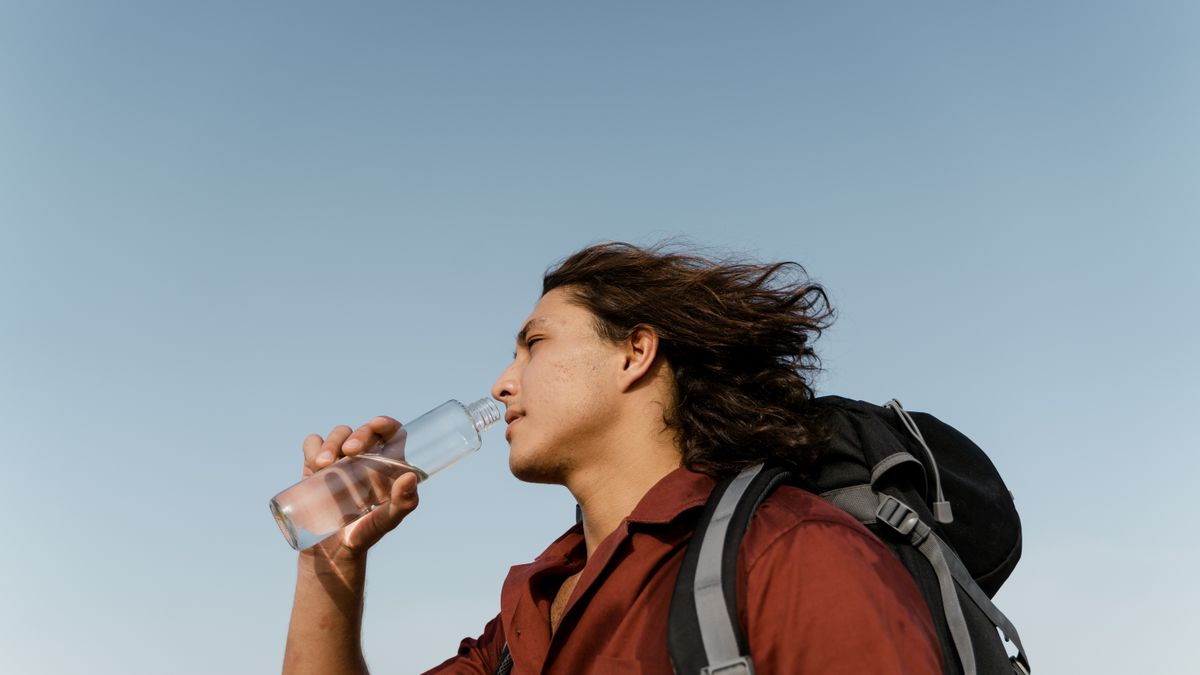
Some people walk around with a water bottle glued to their hand and refill it three times before lunch.
Others go entire workdays running on two cups of coffee and pure willpower, and don’t feel thirsty once. If
you’ve ever wondered why that gap exists between two people sitting at the same desk in the same office, the
answer isn’t really about discipline. It comes down to biology, habit, and a surprising amount of psychology.
💧 Quick Answer
The psychology of thirst comes down to how sensitive your brain is to changes in blood volume and cell
hydration, plus habits, environment, and even personality. Some people’s thirst signals are simply louder and
more frequent. Others rely on learned cues like meal times or a full water bottle on the desk rather than
waiting to feel thirsty at all. Neither pattern is wrong, but ignoring thirst cues for too long can quietly
lead to chronic mild dehydration.
Key Takeaways
- •
Thirst is a primary drive controlled by the hypothalamus, but how strongly you feel it varies a lot person to person. - •
People who drink water constantly are often responding to habit and environmental cues, not necessarily stronger thirst signals. - •
Getting used to drinking more water can actually recalibrate your thirst response over time. - •
Diet, medication, age, and certain health conditions can blunt or amplify thirst regardless of how much water your body actually needs. - •
The taste, temperature, and clarity of water genuinely affect how much people drink, which is part of why filtered water gets finished and tap water sometimes doesn’t.
Thirst Is a Drive, Not Just a Feeling
In psychology, thirst is classified as a primary drive, the same category as hunger. It’s the body’s way of
forcing your attention onto something it needs to survive. Your hypothalamus is constantly monitoring two
things, the concentration of salt in your blood and your overall blood volume. When either one shifts even
slightly, it sends a signal that eventually becomes the sensation you recognize as thirst.
Here’s where the psychology of thirst gets interesting. That signal isn’t the same volume for
everyone. Some people have a lower threshold, meaning a small shift in hydration status sends a strong,
hard to ignore urge to drink. Others have a higher threshold, so the same shift barely registers until
dehydration has already been building for a while.
2%
Body water loss that typically triggers a noticeable thirst response
2
Main thirst pathways, cellular dehydration and reduced blood volume
Days
How long humans can survive without water, versus weeks without food
Why Some People Barely Drink and Feel Fine
A lot of chronic under drinkers aren’t ignoring their thirst, they genuinely don’t feel it very often. Part of
that comes down to how much of their daily fluid intake already comes from food. Soups, fruit, vegetables,
and even bread all contain water, and for some people that’s enough to keep blood volume stable most of the
day without ever triggering a strong drink now signal. Age plays a role too. Thirst sensitivity tends to
decline as people get older, which is part of why dehydration is such a common issue in older adults even
when they don’t report feeling thirsty at all.
There’s also a simple habit factor. If you grew up in a household where water wasn’t really part of the
routine, coffee in the morning, soda at lunch, tea at dinner, your body adapts to running on less plain
water and the thirst cue just doesn’t show up as often.
Why Some People Can’t Stop Reaching for Water
On the flip side, some people feel thirsty constantly, and it’s usually one of a few things. High salt
intake pulls water out of cells, which triggers cellular dehydration thirst pretty quickly. Regular exercise,
hot climates, and certain medications like diuretics or some blood pressure drugs can all crank up how often
the thirst signal fires. There’s also a learned side to this. People who’ve built a habit of sipping water
constantly, from a job that requires it, a fitness routine, or just a personality that likes having something
in hand, end up with a stronger conditioned response even when their body doesn’t strictly need it yet.
In rare cases, constant thirst that doesn’t go away with drinking can point to something medical, like
diabetes or a condition called psychogenic polydipsia. If you’re drinking far more than usual and it’s a new
pattern, that’s worth mentioning to a doctor rather than assuming it’s just a good habit.
Your Thirst Response Can Actually Change Over Time
This is the part that surprises most people. Thirst isn’t fixed. Research on habitual water intake has found
that people who consistently drink more water over weeks and months can shift their baseline, so their body
starts expecting and signaling for more fluid regularly. The reverse is also true. If you consistently
under drink, your thirst threshold can drift higher, meaning it takes more dehydration before you notice
anything. That’s part of why “I’m just not a thirsty person” often isn’t a fixed trait, it’s a pattern that
built up over years and can shift the other direction too.
Taste and Sensation Quietly Control How Much You Drink
Thirst doesn’t just get satisfied by rehydrating at the cellular level. There’s a whole layer of oral
sensation, temperature, and taste that tells your brain “okay, that’s enough” well before the water you just
drank has even been absorbed. Cold water and slightly carbonated water have both been shown in research to
feel more thirst quenching than room temperature still water, even at the same volume. This is also why the
actual taste of your water matters more than people assume. Water that tastes flat, metallic, or off from
chlorine and sediment is water people tend to drink less of, not because they’re not thirsty, but because
nothing about it feels satisfying to finish.
Environment Shapes Habit More Than People Realize
Human factors researchers who study drinking behavior point out that fluid availability alone changes how
much people drink, independent of actual thirst. A filled water bottle sitting on your desk gets emptied
throughout the day almost passively. A water fountain down the hall that requires getting up gets used a lot
less, even by people who are just as thirsty. If you’re trying to drink more water, the honest fix usually
isn’t willpower, it’s making water more visible and more convenient than whatever else is within arm’s reach.
Should You Rely on Thirst Alone?
For most healthy adults, thirst is actually a pretty reliable guide, contrary to decades of “drink eight
glasses a day” advice that doesn’t have strong evidence behind it. The catch is that thirst tends to lag
slightly behind actual need, especially during exercise, hot weather, or older age. So drinking when you’re
thirsty is a solid baseline, but if you know you’re in one of those higher risk situations, it’s reasonable
to drink a bit ahead of the signal rather than waiting for it.

Photo: PNW Production / Pexels
Make the Water You Reach For Worth Finishing
If taste is part of why you’re not drinking enough, that’s an easy fix. AquaJoud’s filtration system removes
chlorine, sediment, and the off tastes that make people put the glass down half full.
Frequently Asked Questions
Why do some people never feel thirsty?
Thirst sensitivity naturally varies between people, and it tends to decline with age. Diet also plays a
role, since people who eat a lot of water rich foods can go longer without a strong thirst signal.
Is it normal to feel thirsty all the time?
Frequent thirst is often just habit, diet, or climate related. But if it’s a new pattern paired with other
symptoms, it can occasionally signal diabetes or another medical condition, so it’s worth checking with a
doctor.
Can you train your body to feel thirsty more often?
Yes. Research on habitual water intake shows that consistently drinking more water over weeks can shift
your baseline thirst threshold, so your body starts signaling for fluid more regularly.
Does the taste of water actually affect how much people drink?
Yes. Studies on oral sensation and thirst quenching show that taste and temperature influence how
satisfying a drink feels, which is a real factor in why some water gets finished and some doesn’t.
The Bottom Line
The psychology of thirst explains a lot more than most people give it credit for. It’s not
about who has more discipline. It’s a mix of biology, habit, age, diet, and even how good your water actually
tastes. If you’re someone who barely drinks, don’t force eight glasses on yourself out of guilt, just build
small cues into your day, a filled bottle on the desk, water with every meal. And if you’re someone who’s
always reaching for a glass, that’s probably a well built habit working in your favor, not a problem to fix.
Related reading: Filtered Water for Hydration,
Signs of Dehydration in Kids,
Filtered Water for Weight Loss
