
Drinking Water Safety
National Water Quality Month: 7 Essential Things Every Homeowner Should Know in 2026
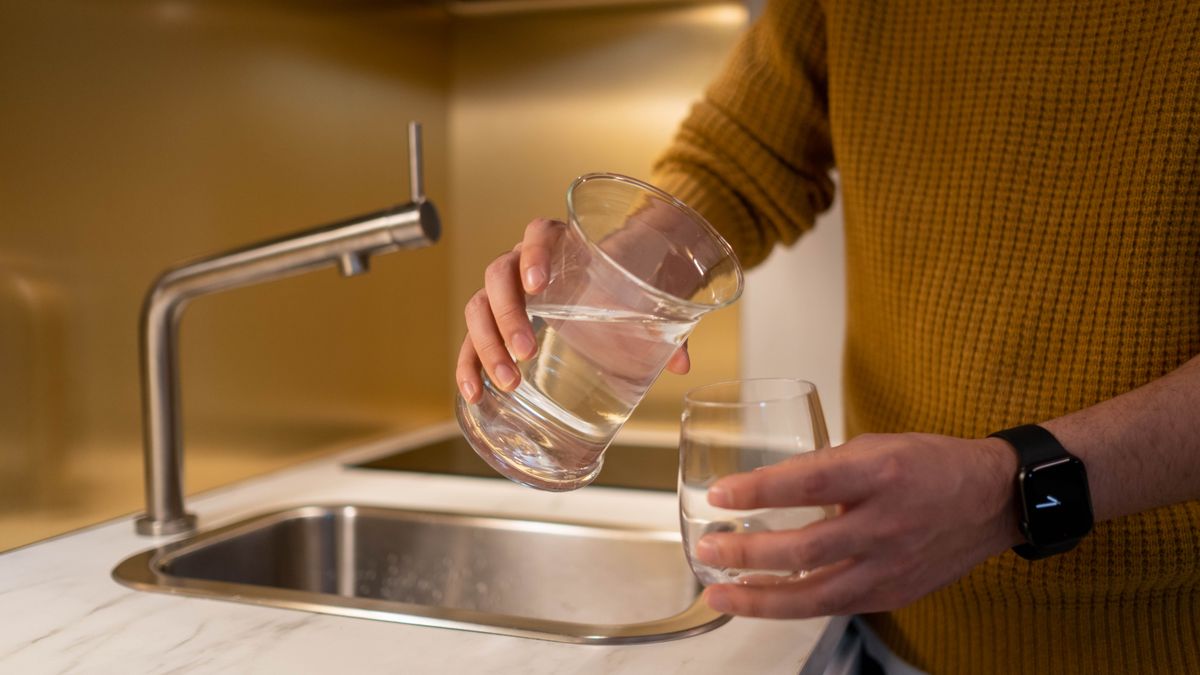
Photo: cottonbro studio / Pexels
Fill up a glass right now and take a look at it. Looks fine, right? That’s kind of the problem. Most people never think about their water until something goes wrong with it, which is exactly why the EPA set aside an entire month to get everyone paying attention before that happens. National Water Quality Month falls every August, and this year it lands in the middle of one of the hottest, most bloom heavy summers on record. Here’s what it actually means for your tap.
Quick Answer
National Water Quality Month is an August observance created by the EPA in 2005 to raise awareness about the water Americans drink, swim in, and rely on every day. It matters right now because August is also the month when heat driven algal blooms and aging pipe stress peak, which is when your home’s own filtration does the most work.
Key Takeaways
- ✓ National Water Quality Month began in 2005, but its roots go back to the Clean Water Act of 1972 and the Safe Drinking Water Act of 1974.
- ✓ August isn’t a random pick. Harmful algal blooms in lakes and reservoirs peak during this exact month.
- ✓ Texas water utilities gathered in Austin this month for the state’s own drinking water conference, a sign of how much is shifting in water regulation right now.
- ✓ Meeting legal limits and meeting health goals are two different things, and the gap between them is where home filtration earns its keep.
- ✓ A few small habits this month, checking your report, testing your water, replacing a filter, add up to real protection for the rest of the year.
Where National Water Quality Month Actually Comes From
Most awareness months feel like they were invented by a marketing calendar somewhere. This one wasn’t. It traces back to two pieces of federal law that reshaped how the country handles its water. The Clean Water Act passed in 1972 and made it illegal to dump large amounts of toxic waste into rivers, lakes, and streams. Two years later, the Safe Drinking Water Act extended those protections to groundwater and the public systems that pipe water into homes.
It took until 2005 for the EPA, backed by the United Nations, to formally declare August as National Water Quality Month. The goal was simple: get people thinking about where their water comes from and what keeps it safe, instead of just assuming the tap will always run clean. Honestly, that assumption is fair most of the time in the United States. But “most of the time” is exactly the gap this month exists to close.
0
The year the EPA and UN officially established National Water Quality Month
0
Approximate number of Texas public water systems reporting PFAS levels above EPA limits
Why August Is the Month That Actually Matters
Here’s the part most people miss. August isn’t just when the EPA happened to schedule an awareness campaign. It’s also the month when water quality genuinely gets harder to manage, for reasons that have nothing to do with the calendar and everything to do with heat.
Harmful algal blooms, the kind that turn lakes and reservoirs a murky green, peak in August according to the CDC, and the large majority of these events happen in freshwater sources, the same reservoirs that feed municipal drinking water systems. Warmer water lets algae and cyanobacteria multiply faster, and when certain types produce toxins, treatment plants have to work overtime to keep them out of the pipes. This year has been especially rough. Coverage has already called it one of the worst bloom seasons in recent memory, with advisories showing up earlier and sticking around longer than usual.
There’s a detail here worth knowing even if you never touch a lake all summer: boiling water does not get rid of cyanotoxins. It actually does the opposite. Boiling can rupture algae cells and concentrate whatever toxin was already in the water as it evaporates. If your utility issues a “do not drink” advisory tied to a bloom, that’s different from a normal boil water notice, and boiling is the wrong move. Always read exactly what the advisory says before assuming heat fixes the problem.

What’s Actually Happening in Texas Right Now
If you live in the Dallas Fort Worth area, this month has more going on than most. The Texas Commission on Environmental Quality just wrapped its Public Drinking Water Conference in Austin, bringing water operators and regulators together to go over new rules and technology heading into next year. That kind of gathering doesn’t happen because everything is fine and settled. It happens because the rules keep shifting.
And the numbers back that up. Roughly 50 Texas public water systems have reported PFAS levels above EPA limits under the latest round of federal monitoring, and several DFW area utilities are among them because they draw from the Trinity River Basin. On top of that, every single ranked city in Texas has hard or very hard water, with the state falling below the national average on overall water quality score. None of that means Texas tap water is unsafe by legal standards. It does mean the margin between “meets the legal minimum” and “actually clean” is thinner here than in a lot of the country, which is worth knowing before you assume your glass is automatically fine.
We’ve gone deep on some of these specific issues before. If PFAS numbers caught your attention, our PFAS in tap water breakdown covers exactly what those levels mean for your household. And if you want the full picture on where your city stands, our Texas tap water quality report walks through it city by city.
What National Water Quality Month Actually Asks You to Do
The whole point of this month isn’t to scare anyone, it’s to nudge people toward a handful of habits that take almost no time but genuinely matter. Here’s what’s worth doing before September rolls around.
Start with your Consumer Confidence Report, sometimes called a water quality report. Every public utility has to publish one every year, and most people have never opened theirs. It lists exactly what was detected in your water and at what level, compared against the legal limit. Five minutes with that document tells you more about your tap than a year of guessing.
From there, if you’re on well water, this is the month to get it tested since wells aren’t covered by municipal reporting at all. If you already run a filter, check when the cartridge was last changed. Heat and heavier summer usage wear filters down faster than people expect, and a filter running past its rated capacity isn’t doing much of anything. And if you’ve been putting off looking into filtration altogether, National Water Quality Month is a genuinely good excuse to finally compare options instead of letting it sit on the list.
One thing we’d flag if you’re shopping around: not every filter is built for the same problems. A basic carbon pitcher handles taste and chlorine fine, but it isn’t designed for PFAS or dissolved minerals contributing to hard water. Our guide on hard water versus soft water breaks down what to look for depending on what’s actually in your supply, and our smart water filter roundup covers which features are genuinely useful versus which ones just look good on a box.
For an authoritative rundown straight from the source on what this month is officially about and how water quality standards get set, the EPA’s water quality resources page is worth a look, especially if you want to see how your state compares nationally.
Make National Water Quality Month the Month You Actually Check
AquaJoud filtration systems are built to handle exactly the gaps between “legal” and “clean,” from PFAS to hard water minerals, so you’re not guessing every August.
Frequently Asked Questions
When is National Water Quality Month?
National Water Quality Month is observed every August in the United States. It was established by the EPA in 2005 and is backed by the United Nations.
Why did the EPA choose August for National Water Quality Month?
August lines up with a real seasonal pattern. Harmful algal blooms in lakes and reservoirs peak during this month due to warm water temperatures, and summer heat generally puts more stress on water treatment and aging infrastructure.
Does meeting EPA limits mean my tap water has no health risks?
Not necessarily. EPA limits are legal thresholds, not health goals. Some contaminants can be detected at levels that are legal but that independent health organizations still consider worth reducing further, which is one reason home filtration remains popular even in areas that meet federal standards.
Should I boil my water if there’s an algal bloom advisory?
No. Boiling does not remove cyanotoxins from algal blooms and can actually concentrate them as the water evaporates. Follow the specific guidance your utility issues for a bloom related advisory rather than defaulting to boiling.
What is one thing I can do this month to check my water quality?
Read your utility’s Consumer Confidence Report, published annually and usually available on your provider’s website. It lists every contaminant detected in your water supply and how those levels compare to federal limits.
The Bottom Line
National Water Quality Month isn’t just a line on an awareness calendar. It lands in August because that’s genuinely when water systems are under the most pressure, from summer heat driving algal blooms to aging infrastructure working overtime. For homeowners in Texas, where PFAS detections and hard water are both above the national picture, this month is as good a reason as any to actually read your water report, check your filter, and make sure what’s coming out of your tap matches what you think is coming out. A few minutes now beats finding out the hard way later.