
If you have ever wondered about hard water vs soft water, you are not alone. The difference between hard water vs soft water is one of the most critical questions homeowners face — and the answer dramatically affects your skin, hair, appliances, plumbing, energy bills, and daily drinking experience. In this complete guide, we break down exactly what separates hard water from soft water, how each impacts your home, and what you can do right now to improve your water quality.
Table of Contents
Quick Answer: Hard Water vs Soft Water
💧 Hard Water
Hard water contains high levels of naturally occurring minerals — primarily calcium and magnesium. It causes damaging scale buildup on fixtures and appliances throughout your home.
✅ Soft Water
Soft water contains low levels of dissolved minerals, either naturally or through a softening process. It feels smoother on skin and dramatically reduces mineral deposits in plumbing systems.
Key Takeaways
- Hard water vs soft water primarily differs in calcium and magnesium mineral content.
- Hard water causes damaging scale buildup in pipes, appliances, and water heaters.
- Soft water improves soap performance and dramatically reduces mineral deposits.
- Both are generally safe to drink — hardness is not a proven health hazard.
- A quality under sink water filter improves taste, odor, and drinking water quality regardless of hardness level.
What Is Hard Water?
Hard water is water that contains elevated levels of dissolved minerals — particularly calcium and magnesium. As groundwater moves through limestone, chalk, and gypsum rock formations, it naturally picks up these minerals before reaching your home. The harder the water, the higher the mineral concentration present.
According to the U.S. Geological Survey, hard water affects more than 85% of American homes. That makes understanding hard water vs soft water essential for nearly every homeowner in the country.
Common Signs of Hard Water in Your Home
- White chalky spots on dishes and glassware after washing
- Limescale buildup around faucets, showerheads, and taps
- Stubborn soap scum in showers and sinks
- Reduced efficiency and shortened lifespan of water heaters
- Dry, itchy skin and dull hair after bathing
- Stiff, faded clothes after laundering
What Is Soft Water?
Soft water contains significantly lower levels of calcium and magnesium compared to hard water. Some areas naturally produce soft water due to local geology — granite bedrock regions, for example, tend to have naturally soft water. In other cases, homeowners install water softening systems that use ion exchange to remove hardness minerals before water enters the home.
When weighing hard water vs soft water for everyday use, soft water generally wins for cleaning, bathing, and protecting your home’s systems — though it lacks the naturally occurring minerals found in hard water.
Common Characteristics of Soft Water
- Richer, easier soap lathering
- Spotless, cleaner dishes after washing
- Dramatically reduced scale and limescale buildup
- Noticeably softer skin and shinier hair
- Improved appliance efficiency and extended lifespan
- Brighter, softer laundry results
7 Critical Differences: Hard Water vs Soft Water
Here are the 7 most critical differences between hard water vs soft water that every homeowner must understand:
| Feature | Hard Water | Soft Water |
|---|---|---|
| Calcium & Magnesium | High | Low |
| Soap Lather | Lower | Higher |
| Mineral Deposits | Common | Minimal |
| Appliance Efficiency | Decreases over time | Typically improved |
| Water Spots on Dishes | Common | Rare |
| Plumbing Scale Buildup | More likely | Less likely |
| Taste | Often mineral-rich | Usually smoother |
Is Hard Water Safe to Drink?
In most cases, yes. Hard water is generally considered safe and often contains beneficial minerals like calcium and magnesium that your body actually needs. Many people prefer the crisp, mineral-rich taste of hard water. The World Health Organization has noted that hard water poses no known adverse health effects and may even offer modest cardiovascular benefits.
However, very hard water can create an unpleasant mineral taste, accelerate scale buildup in appliances, reduce plumbing lifespan, and increase energy costs through water heater inefficiency. While hardness is not a health concern, many homeowners choose filtration to improve taste and clarity regardless of where they fall on the hard water vs soft water spectrum.
How Hard Water Destroys Your Home Over Time
One of the most damaging practical consequences of hard water vs soft water is the hidden, compounding cost of hard water on your home. Here is where it hits hardest:
🔥 Water Heaters
Mineral scale builds up inside tanks and heating elements, reducing efficiency by up to 25% and significantly increasing your monthly energy costs.
🚰 Faucets & Fixtures
Limescale deposits form around faucets, showerheads, and drains — restricting water flow and permanently damaging expensive fixture finishes.
🍽️ Appliances
Dishwashers, washing machines, coffee makers, and ice makers all suffer. Studies show hard water can cut appliance lifespan by up to 30% compared to soft water conditions.
🔧 Plumbing
Mineral deposits narrow pipe openings over years, reducing pressure and eventually leading to costly repairs or full pipe replacement throughout the home.
Does Soft Water Taste Better Than Hard Water?
Taste is subjective in the hard water vs soft water debate. Some people love the crisp, mineral-rich flavor that naturally hard water provides. Others prefer soft water’s smoother, cleaner profile. The factors that most powerfully affect drinking water taste are chlorine levels, sediment, organic matter, the water source, and treatment methods — not just hardness alone.
This is precisely why many homeowners invest in a dedicated drinking water filtration system even when they already have a water softener installed. A quality filter targets taste and odor at the point of use, delivering the best possible drinking water regardless of hardness.
Water Softeners vs Water Filters: Critical Differences
A vital point in the hard water vs soft water conversation is that water softeners and water filters are completely different tools serving entirely different purposes.
🔵 Water Softeners
Use ion exchange to remove calcium and magnesium hardness minerals. Their purpose is protecting plumbing and appliances from scale — not improving drinking water quality or taste.
🟢 Water Filters
Focus on improving drinking water quality by reducing chlorine, sediment, heavy metals, and contaminants. Using both a softener and a filter together delivers the best overall results for most homes.
How an Under Sink Water Filter Transforms Your Drinking Water
Whether your home has hard water or soft water, a quality under sink water filter dramatically improves your daily drinking experience. Point-of-use filtration systems install directly beneath your kitchen sink, filtering water right before it reaches your glass — delivering cleaner, better-tasting water on demand without the ongoing cost and environmental waste of bottled water.
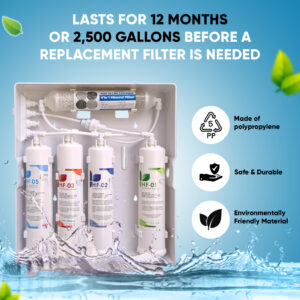
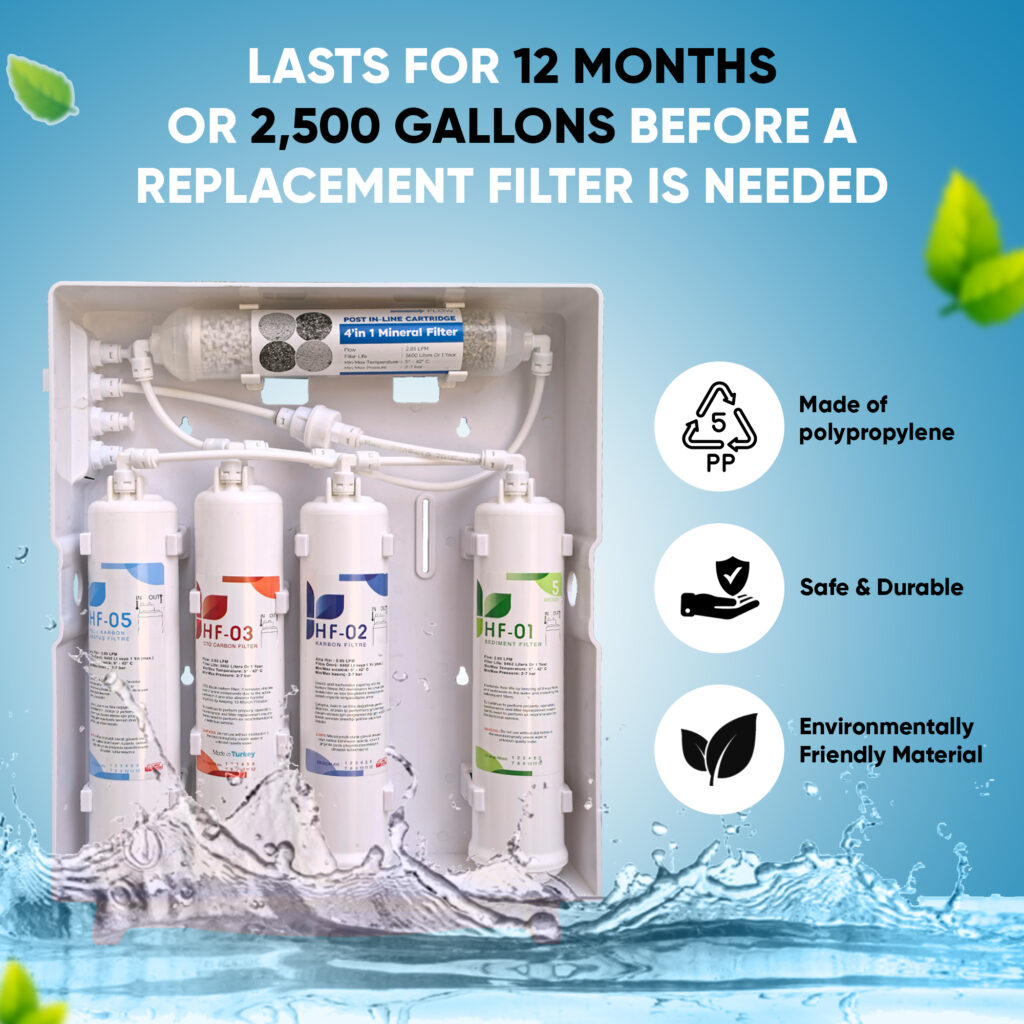
The Aqua Slim 5-Stage Under Sink Water Filter from MyPureDrink tackles taste, odor, clarity, sediment, chlorine, and common contaminants — making it an excellent solution regardless of whether you have hard water or soft water. Its slim, space-saving profile fits easily under most kitchen sinks, and the high-capacity filter lasts up to 12 months before needing replacement. You can also explore similar solutions reviewed by independent experts at the U.S. EPA’s drinking water resource center.
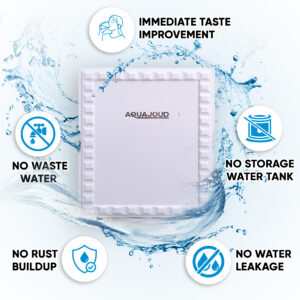
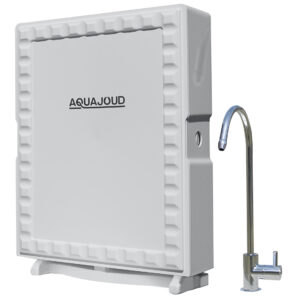
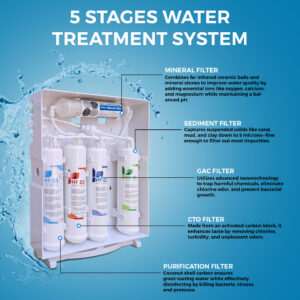
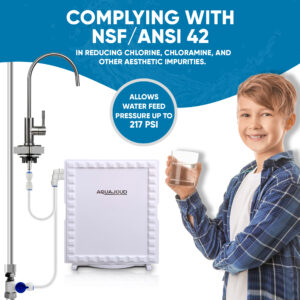
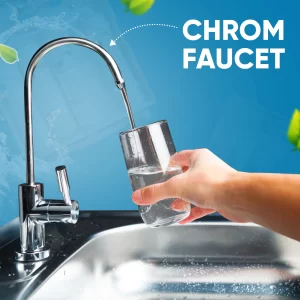
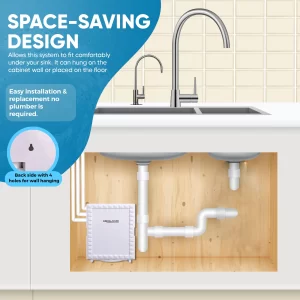
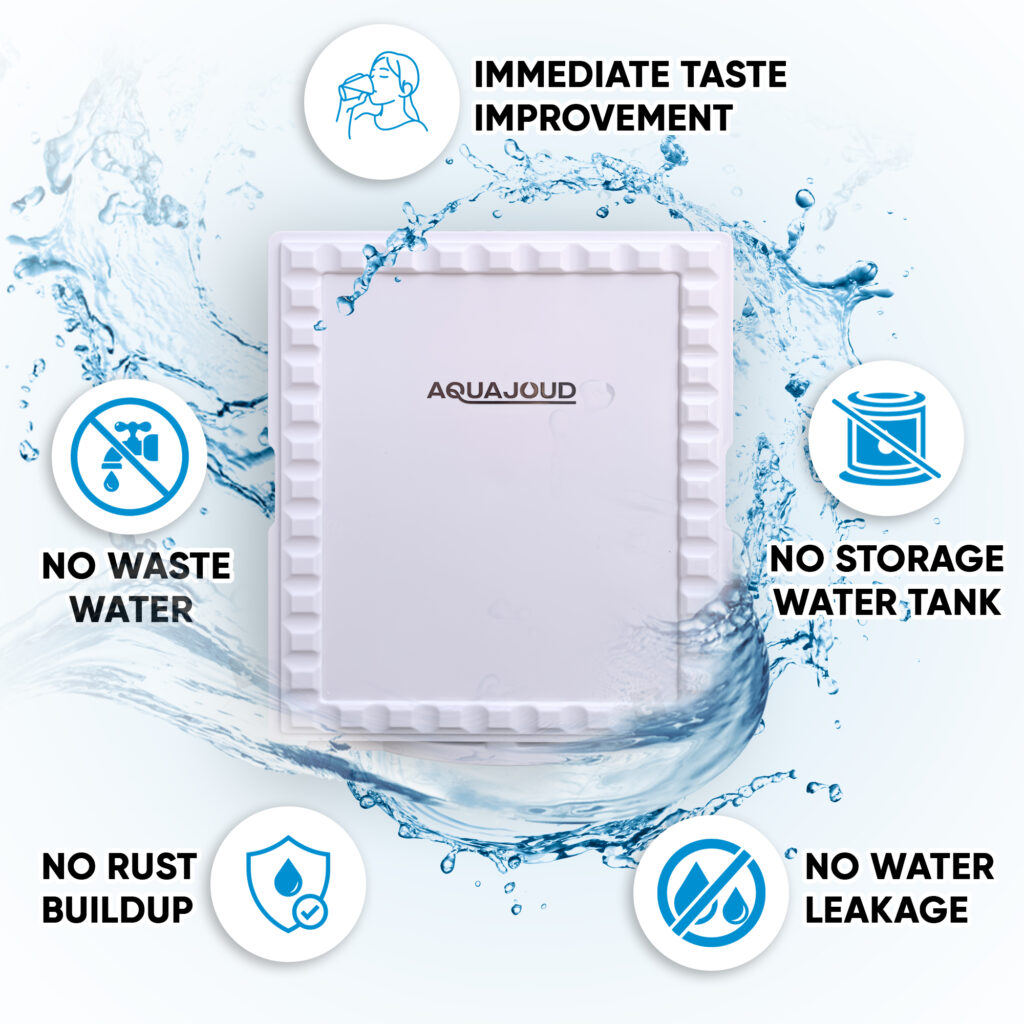
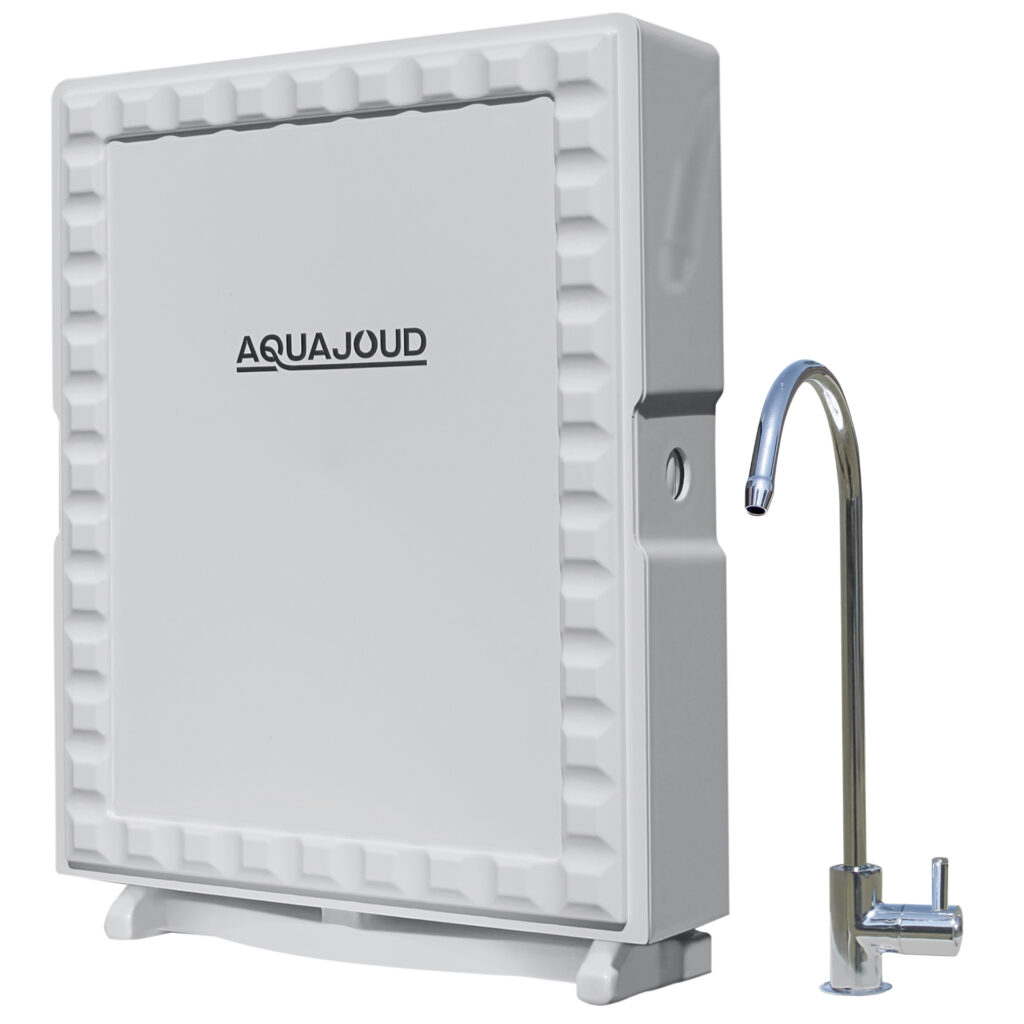
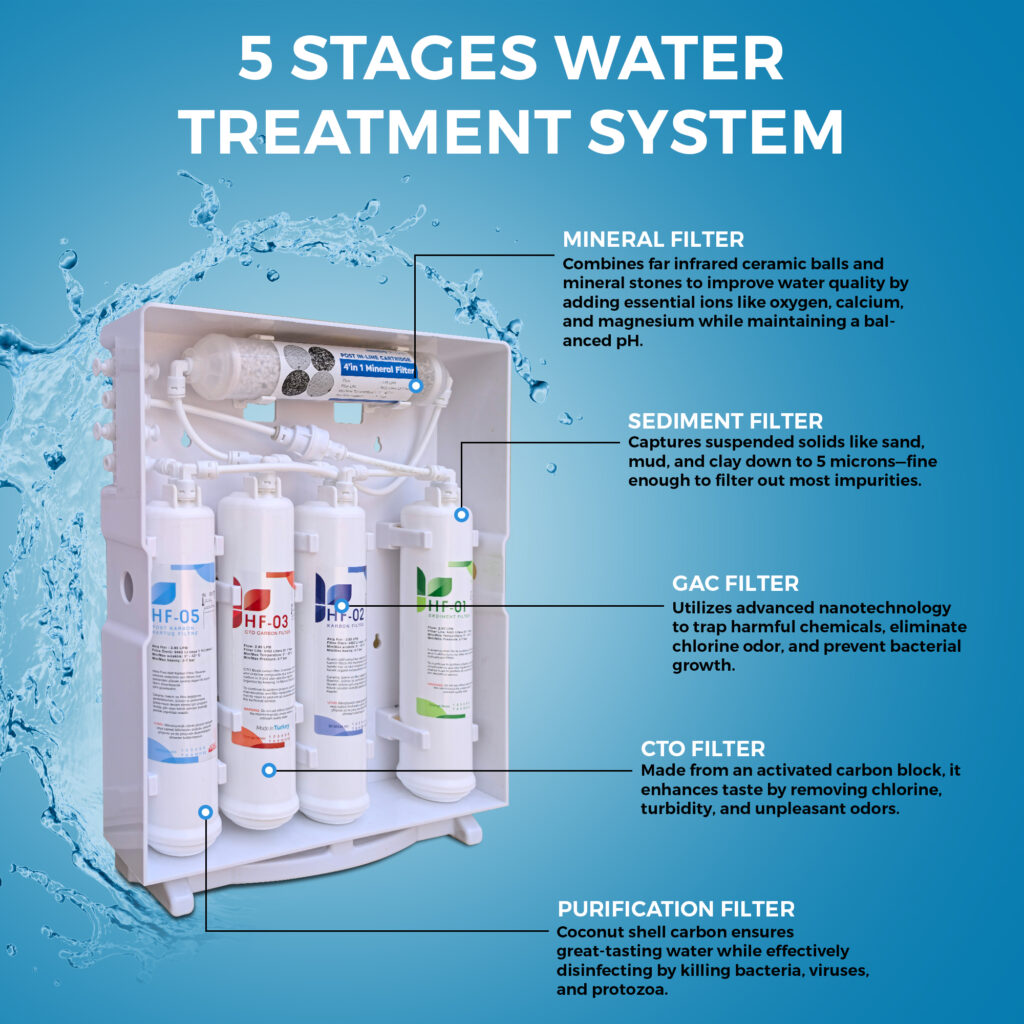
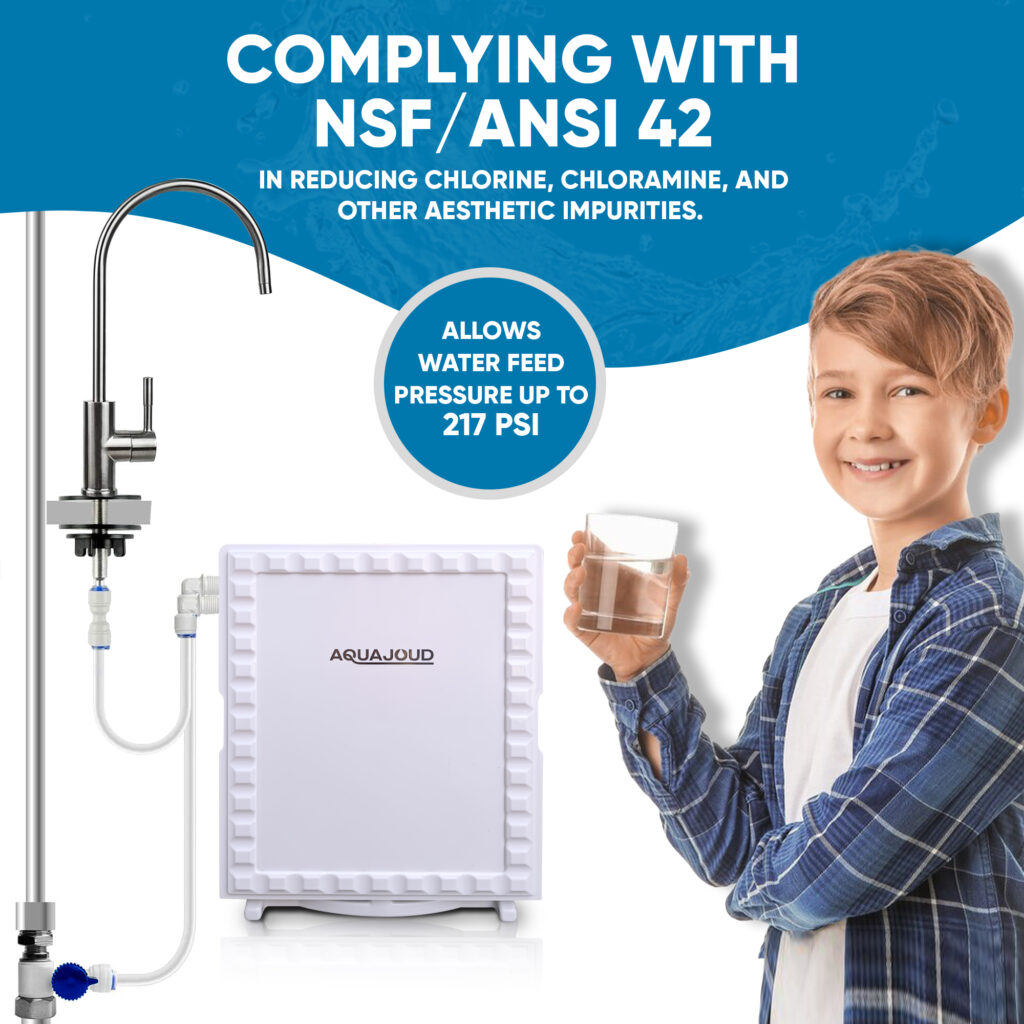
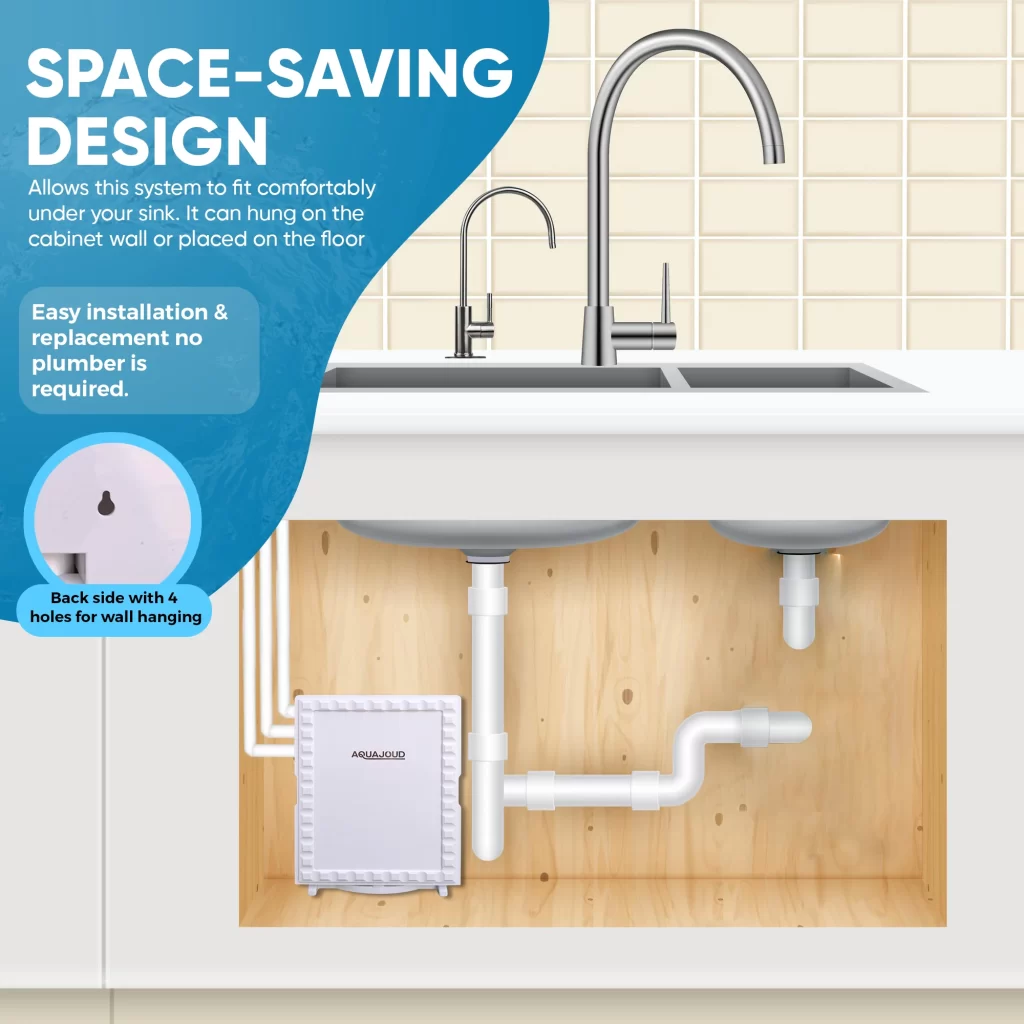
AquaJoud | Aqua Slim
✅ 5 Filters Included
🔇 Silent Operation
📏 Compact Design
📆 12 Month Filter Age
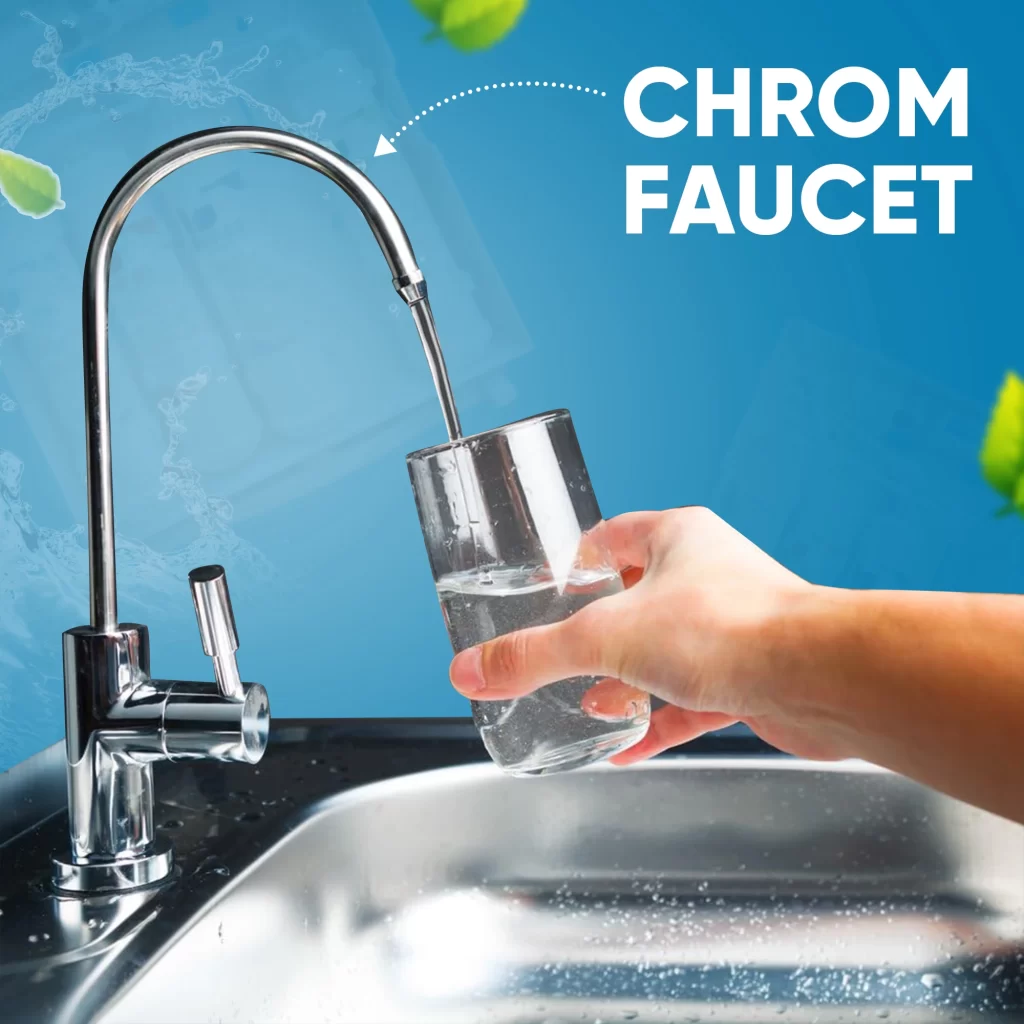
🚰 Chrom Faucet
How to Tell if You Have Hard Water or Soft Water
Not sure which side of the hard water vs soft water divide your home falls on? Here are the most reliable ways to find out:
- Visual inspection: Check faucets, showerheads, and kettle interiors for white crusty mineral deposits — a clear indicator of hard water.
- Soap test: Lather soap or shampoo between your hands. Hard water produces little foam; soft water produces rich, abundant lather.
- Municipal water report: Most cities publish annual water quality reports online that include hardness levels in grains per gallon (GPG) or mg/L.
- Home test kit: Inexpensive hardness test strips from hardware stores deliver results in minutes.
- Certified lab test: For the most accurate reading, a certified lab measures hardness alongside dozens of other water quality parameters.
Knowing exactly where your home sits on the hard water vs soft water scale is the crucial first step toward choosing the right solution — whether that means a water softener, a quality filtration system, or both working together.
Frequently Asked Questions About Hard Water vs Soft Water
What is the difference between hard water and soft water?
The core difference in hard water vs soft water is mineral content. Hard water contains high levels of dissolved calcium and magnesium naturally picked up from limestone and rock. Soft water contains low levels of these minerals — either naturally or after water softener treatment.
Is hard water bad for your health?
Hard water is generally considered safe and contains beneficial minerals like calcium and magnesium. No strong scientific evidence links hard water consumption to adverse health effects in most healthy populations.
Can hard water damage appliances?
Yes — significantly. Mineral scale from hard water reduces efficiency and shortens the lifespan of dishwashers, washing machines, water heaters, coffee makers, and ice makers by up to 30% over time.
Does a water filter soften hard water?
Standard drinking water filters are not designed to soften water. Their purpose is improving taste, odor, and quality by reducing chlorine, sediment, heavy metals, and other contaminants — not removing hardness minerals.
Is soft water better than hard water?
Neither is universally better. Soft water wins for appliances, plumbing, and cleaning. Hard water provides naturally occurring minerals. The ideal solution for most homeowners is a combination of both softening and filtration.
How can I improve the taste of my tap water?
A quality under sink water filtration system — like the Aqua Slim 5-Stage Filter from MyPureDrink — dramatically reduces chlorine taste, odors, sediment, and other factors affecting your drinking water, whether you have hard or soft water.
Final Verdict: Hard Water vs Soft Water
Understanding the 7 critical differences between hard water vs soft water empowers you to make smarter, more informed decisions about your home’s water quality. Hard water is widespread, generally safe to drink, but genuinely destructive to appliances and plumbing over time. Soft water is gentler on your home’s systems and more pleasant for cleaning and bathing — but it lacks natural minerals and can taste slightly different.
Regardless of which type of water runs through your pipes, the single most impactful upgrade you can make for your family’s daily drinking quality is a reliable point-of-use water filter. Browse our complete range of under sink filtration systems at MyPureDrink.com and experience the powerful difference clean, filtered water makes — starting today.