 Skip to content
Under-sink water filters are a popular choice for homeowners who want better-tasting drinking water without installing a full-house system. Two common options in this category are multi-stage tankless filtration systems, such as AquaJoud, and reverse osmosis (RO) systems.
Although they are often compared, these systems work very differently and are designed to solve different problems. This article provides a factual comparison of AquaJoud vs reverse osmosis, outlining how each system functions, where each performs well, and where limitations exist.
What Is AquaJoud?
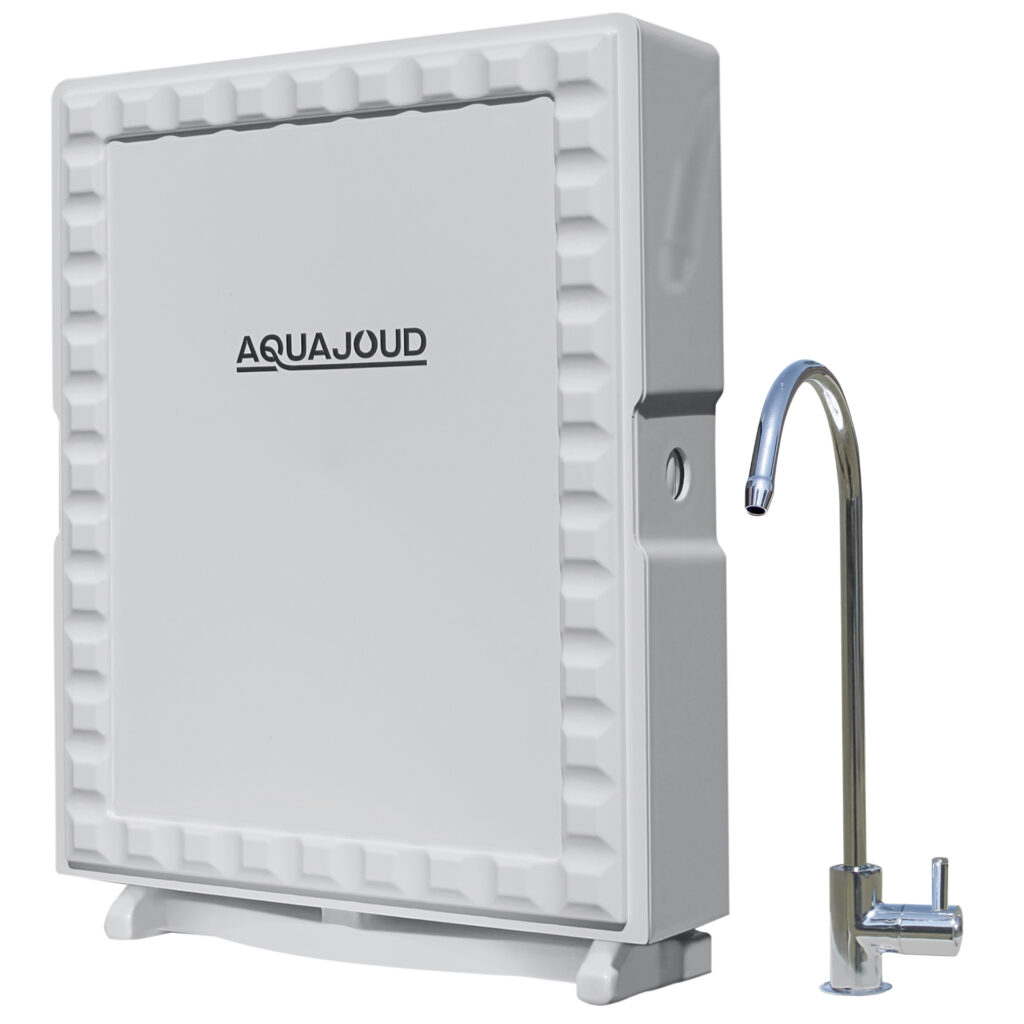
AquaJoud is a tankless, under-sink 5-stage water filtration system intended for homes using city water. It can be installed under a sink, behind a refrigerator, or near appliances such as coffee and ice makers.
The system focuses on:
- Removing sediment and chlorine
- Improving taste and odor
- Preserving and restoring minerals
- Operating without a storage tank or wastewater
AquaJoud does not reduce total dissolved solids (TDS) and is not designed to treat well water or highly contaminated sources.
How the AquaJoud Filtration Stages Work

Sediment filtration (5 microns) removes physical particles such as sand, rust, and debris.

Granular activated carbon (GAC) absorbs chlorine, chemical residues, odors, and discoloration.

Carbon block (CTO) further reduces chlorine, taste, odor, turbidity, and organic matter.

Mineral filtration uses mineral stones and ceramic media to help restore calcium, magnesium, and support balanced pH.

Coconut shell carbon with iodine provides final polishing, improving taste and offering additional disinfection support.
Together, these stages aim to produce clean, pleasant-tasting water while maintaining mineral content.
What Is Reverse Osmosis?

Reverse osmosis systems use a semi-permeable membrane to remove dissolved solids and contaminants at a molecular level. RO systems are typically installed under a sink and supply drinking water to a dedicated faucet.
RO systems are effective at reducing:
- Dissolved salts and solids
- Certain heavy metals
- Fluoride and other dissolved contaminants
However, the process also removes beneficial minerals and produces wastewater as part of normal operation.
Key Differences Between AquaJoud and Reverse Osmosis
Water Waste
AquaJoud operates without producing wastewater. Reverse osmosis systems typically discharge multiple gallons of water for every gallon of filtered water produced.
Mineral Content
AquaJoud is designed to retain and restore minerals such as calcium and magnesium. Reverse osmosis removes most minerals, which is why many RO systems include a remineralization stage.
Filtration Scope
AquaJoud focuses on sediment, chlorine, taste, odor, and general purification. Reverse osmosis targets dissolved solids and contaminants that carbon-based filters do not remove.
Flow Rate and Storage
AquaJoud is tankless and delivers water on demand at a consistent flow rate. Reverse osmosis systems rely on a storage tank, which can limit output speed once the tank is depleted.
Maintenance
AquaJoud requires periodic filter replacement based on gallon usage. Reverse osmosis systems require multiple filter changes and membrane replacement, which can increase long-term maintenance effort.
Pros and Cons Summary
AquaJoud – Strengths✅
- No wastewater
- Tankless design
- Maintains mineral content
- Good flow rate
- Simple installation
- NSF/ANSI 42 certified for chlorine and aesthetic reduction
AquaJoud – Limitations❌
- Does not reduce TDS
- Not suitable for well water
- Not intended for severe chemical contamination
Reverse Osmosis – Strengths✅
- Removes dissolved solids
- Effective for heavily contaminated water
- Suitable when TDS reduction is required
Reverse Osmosis – Limitations❌
- Produces wastewater
- Removes beneficial minerals
- Slower output
- Requires storage tank
- Higher maintenance complexity
Which System Makes Sense❓
The better option depends on water quality and priorities:
- Homes with city water, moderate contamination, and a focus on efficiency may prefer a tankless filtration system like AquaJoud.
- Homes with high TDS, specific chemical concerns, or regulatory needs may require reverse osmosis.
- Some households use both approaches: general filtration for daily use and RO for specific drinking needs.
Conclusion

AquaJoud and reverse osmosis systems are designed for different purposes. AquaJoud prioritizes efficiency, mineral balance, and zero wastewater, while reverse osmosis prioritizes maximum contaminant removal at the cost of water efficiency and mineral loss.
Understanding these differences helps homeowners choose a system based on actual needs rather than assumptions.
